On an Arizona summer afternoon, most drivers think of the air conditioner as the system responsible for keeping the cabin comfortable.
Turn it on. Drop the temperature. Increase the fan. Wait for relief.
But the A/C is only one part of the story.
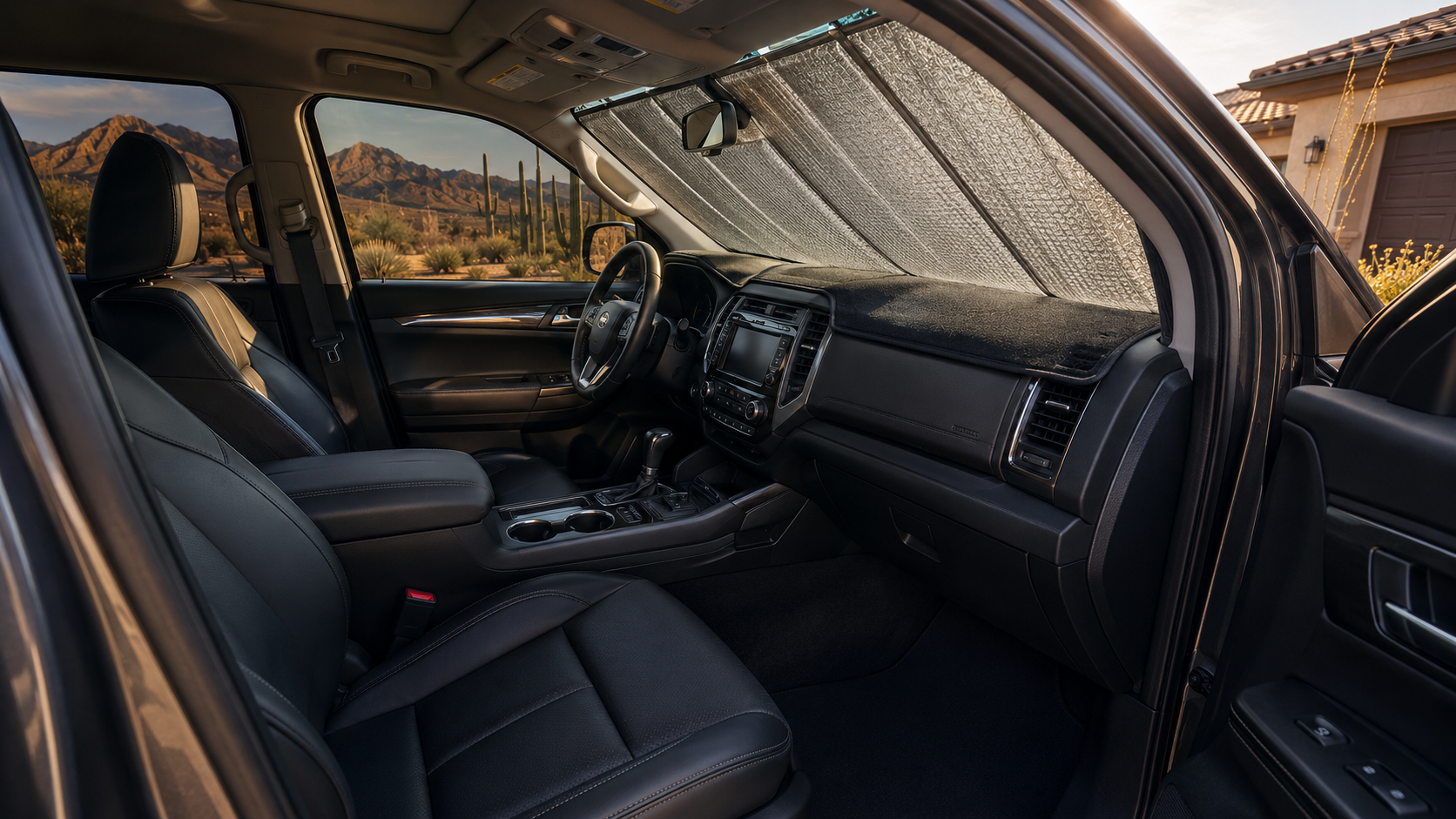
Before the climate-control system begins cooling the air, sunlight has already been entering through the windshield, side windows, rear glass, and possibly a panoramic roof. The dashboard, seats, steering wheel, trim, and other interior surfaces absorb that energy and release it back into the cabin as heat.
In other words, your air conditioner works downstream from your glass.
That means a comfortable vehicle is not created by the A/C alone. It is created by a complete climate strategy, and the glass surrounding the cabin plays a much larger role than most drivers realize.
Your Vehicle Is Surrounded by Solar Openings
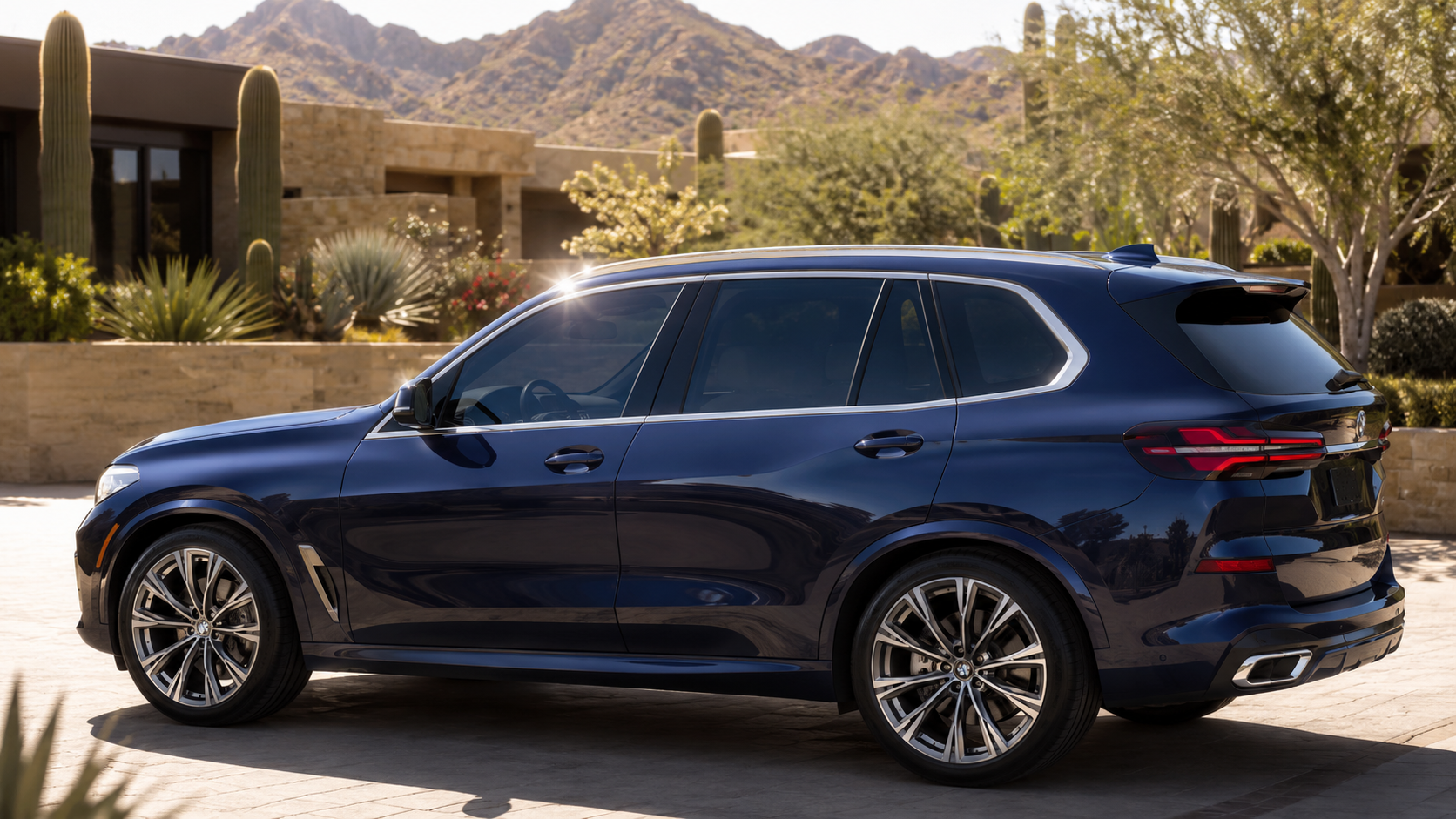
Modern vehicles use more glass than many drivers notice. Windshields have grown larger. Side windows extend farther into doors. Rear liftgates may be mostly glass. Panoramic roofs can stretch above both rows of seating.
All that glass creates visibility, openness, and a premium driving experience. It also creates multiple pathways for solar energy to reach the cabin.
Sunlight contains more than the visible light your eyes detect. It also includes infrared energy associated with heat and ultraviolet radiation that can affect skin and interior materials over time. Different glass constructions, coatings, and films manage those parts of sunlight differently.
The important question is not simply, “Are my windows dark?” It is, “How is each glass surface managing the Arizona sun?”
Every Piece of Glass Has a Different Job
A vehicle may look like one enclosed glass system, but each opening has its own size, angle, construction, and exposure.
The Windshield
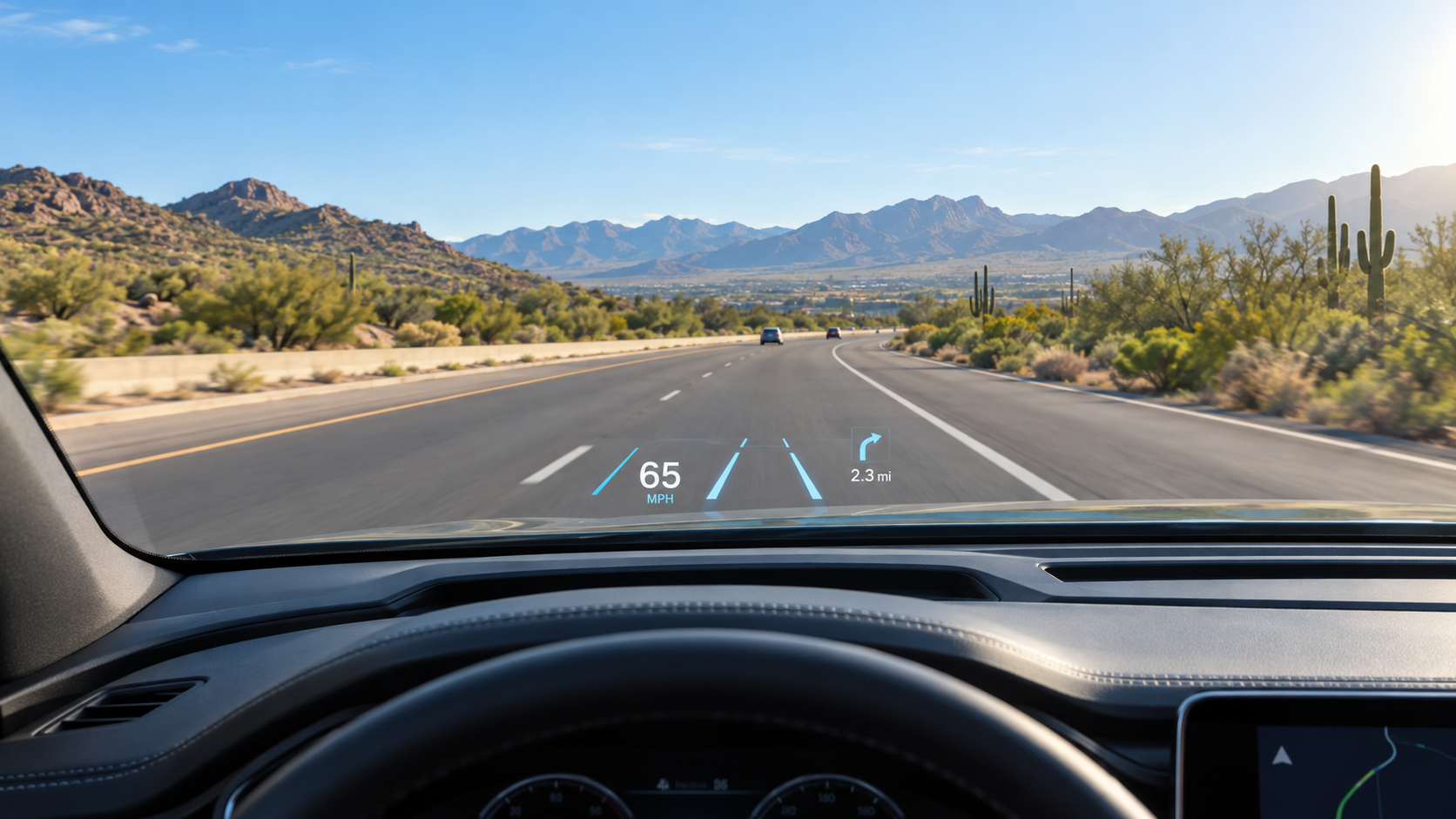
The windshield is often the largest forward-facing piece of glass. It provides visibility, supports vehicle structure, and may house cameras, sensors, a head-up display, antennas, acoustic layers, or solar-control technology.
Because the windshield faces forward and slopes toward the dashboard, sunlight entering through it can heat a broad area of the cabin. That familiar moment when the steering wheel and dashboard feel painfully hot is part of the windshield’s climate story.
The Side Windows
Side glass changes exposure throughout the day. During a morning commute, sunlight may hit the driver’s side directly. In the afternoon, it may pour through the passenger windows and reach children, pets, upholstery, or cargo.
The front and rear side windows may also have different factory treatments and different legal limits for added tint. That is why a whole-vehicle recommendation should consider where the glass is located instead of applying one shade everywhere without a plan.
The Rear Glass and Roof Glass
Rear glass can contribute substantial heat, especially in hatchbacks, SUVs, and vehicles with large cargo areas. A panoramic roof adds another major glass surface directly above the occupants.
Factory privacy glass may make some of these areas look dark, but appearance alone does not tell you how effectively the glass manages infrared heat or UV exposure.
Factory Privacy Glass Is Not the Same as Performance Tint
Many SUVs and trucks leave the factory with darker rear windows. Drivers often assume those windows already provide every benefit associated with professional window tint.
Factory privacy glass is typically darkened as part of the glass itself. It can reduce visible light and provide privacy, but its heat- and UV-management performance depends on the specific glass. Darkness is not a complete performance specification.
Professional window film adds another functional layer. Depending on the film, it can be selected to manage heat, UV exposure, glare, privacy, and appearance more deliberately.
Darker Does Not Automatically Mean Cooler
This is one of the most important ideas for Arizona drivers to understand.
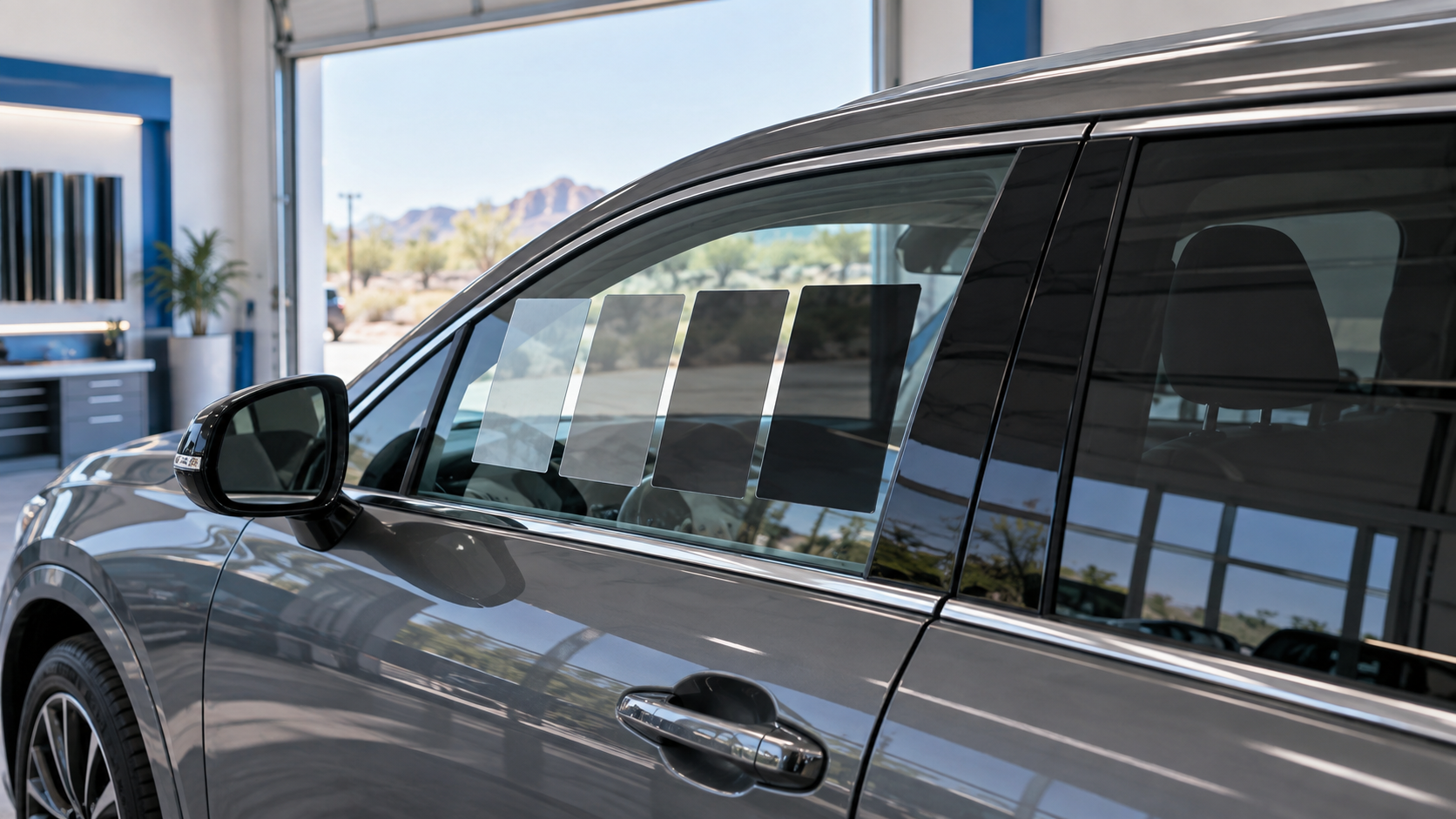
Tint darkness is usually described through visible light transmission, or VLT. That measurement tells you how much visible light passes through the window. It does not, by itself, tell you how much infrared heat or UV radiation the film manages.
A very dark, low-quality film may reduce visible brightness without providing the heat performance a driver expects. A high-quality ceramic film can be engineered to manage significant solar energy while maintaining a lighter, clearer appearance.
That is why selecting tint by shade alone is like choosing an air conditioner by the color of the thermostat.
Ceramic Tint Changes the Equation
Ceramic window film is designed to manage heat and UV exposure without using the metallic construction associated with some older tint products. It can improve cabin comfort while allowing cell, GPS, and radio signals to pass normally.
For Arizona drivers, the biggest advantage is that ceramic film can address solar energy before it becomes heat stored in the dashboard, seats, and trim.
What quality tint can do is reduce the amount of solar energy entering through treated glass, reduce glare, protect interior surfaces, and help the cabin become more manageable when you return.
Your A/C Works After the Sun Has Already Entered
Imagine trying to cool a room while someone continuously aims heat lamps through every window. The air conditioner may be working correctly, but it is fighting an ongoing source of heat.
Your vehicle faces a similar challenge. Sunlight passes through the glass, interior materials absorb the energy, and those surfaces continue radiating heat even after cold air begins flowing through the vents.
A more complete climate strategy reduces the load entering through the glass and then allows the A/C to address the heat that remains.
Drivers may notice the difference through:
- A cabin that feels less punishing when they first open the door
- Less intense heat against the skin near side windows
- Reduced glare during bright morning and afternoon drives
- Seats, dashboards, and steering wheels that absorb less solar energy
- A more comfortable environment for passengers in the front and back seats
Protecting People From UV Exposure
Drivers and passengers can spend hundreds of hours inside a vehicle each year. Exposure is not limited to long road trips. It accumulates during commutes, school pickup, errands, client visits, and time spent in traffic.
Quality window film can add UV protection across treated windows. This is especially worth considering for families, frequent drivers, and anyone who spends long periods on Arizona roads.
Protecting the Interior
UV exposure and heat can contribute to fading, discoloration, drying, and premature aging of interior materials. Leather, vinyl, plastics, fabric, screens, and decorative trim can all spend years exposed to intense Arizona sunlight.
Tint cannot stop normal aging completely, but reducing solar exposure can become part of protecting the investment you have made in the vehicle.
Managing Glare Without Sacrificing Visibility
The goal is not to make every window as dark as possible. It is to select appropriate, legal window film that reduces uncomfortable brightness while preserving the visibility needed for safe driving.
Different Vehicles Need Different Climate Strategies
There is no single tint plan that fits every driver or every vehicle.
Families may prioritize rear-seat comfort, UV protection, glare reduction, and a balanced appearance across factory privacy glass and the front windows.
Luxury vehicles may include acoustic glass, infrared coatings, laminated side glass, panoramic roofs, cameras, head-up displays, and other specialty features. The film and installation approach must work with the glass technology already present.
Electric vehicle owners may pay closer attention to climate control because cooling the cabin draws energy from the same battery used for driving. Managing solar heat through the glass can be a sensible part of an EV owner’s broader comfort strategy.
People who drive for work may spend most of the day next to the same side window. For them, tint is not merely a cosmetic upgrade. Heat, glare, UV exposure, and daily comfort can affect the entire working experience.
Auto Glass and Tint Should Be Planned Together
Replacing a windshield without considering its coatings, sensors, tint, or surrounding glass can leave the climate strategy incomplete. Tinting a vehicle without inspecting damaged glass can create unnecessary rework later.
One advantage of working with ProView is having auto glass replacement and professional tint services under one roof. The team can look at visibility, glass condition, vehicle technology, legal tint placement, and heat-management goals together.
Make the Glass Work With Your A/C
Your air conditioner should not have to carry the entire burden of an Arizona summer by itself.
The windshield, side windows, rear glass, roof glass, factory treatments, and added film all influence what happens before cooled air reaches the cabin.
When those pieces are selected and managed as a system, the vehicle can feel more comfortable, more protected, and better suited to the way you actually drive.
Contact ProView Auto Glass & Tint to evaluate your vehicle’s glass and build a ceramic tint strategy designed for Arizona conditions.
Because your car already has a climate strategy. The question is whether every part of it is working together.
Frequently Asked Questions
Does Darker Window Tint Block More Heat?
Not necessarily. Tint darkness describes visible light transmission. Heat performance depends on the film’s construction and its ability to manage solar energy, including infrared heat. A quality ceramic film may provide strong heat rejection without being the darkest available shade.
Does Factory Privacy Glass Provide Heat and UV Protection?
Factory privacy glass reduces visible light and provides privacy, but its heat- and UV-management performance varies by vehicle. A professional can evaluate the existing glass and recommend whether an added film would help meet your goals.
Can Ceramic Tint Interfere With My Phone or GPS?
Quality ceramic film is nonmetallic and is designed to allow cell, GPS, and radio signals to pass normally.
Will Window Tint Keep a Parked Vehicle Safe for Children or Pets?
No. Tint may reduce solar heat entering through treated glass, but a closed vehicle can still become dangerously hot. Never leave a child or pet unattended inside a parked vehicle, even when the windows are tinted.
Should I Replace Damaged Glass Before Installing Tint?
Usually, yes. If glass is cracked, chipped, leaking, distorted, or likely to require replacement soon, addressing the glass first can prevent paying for film that will need to be removed with the damaged window.