Save Your Dashboard: How Window Tint Protects Your Car's Interior in Arizona
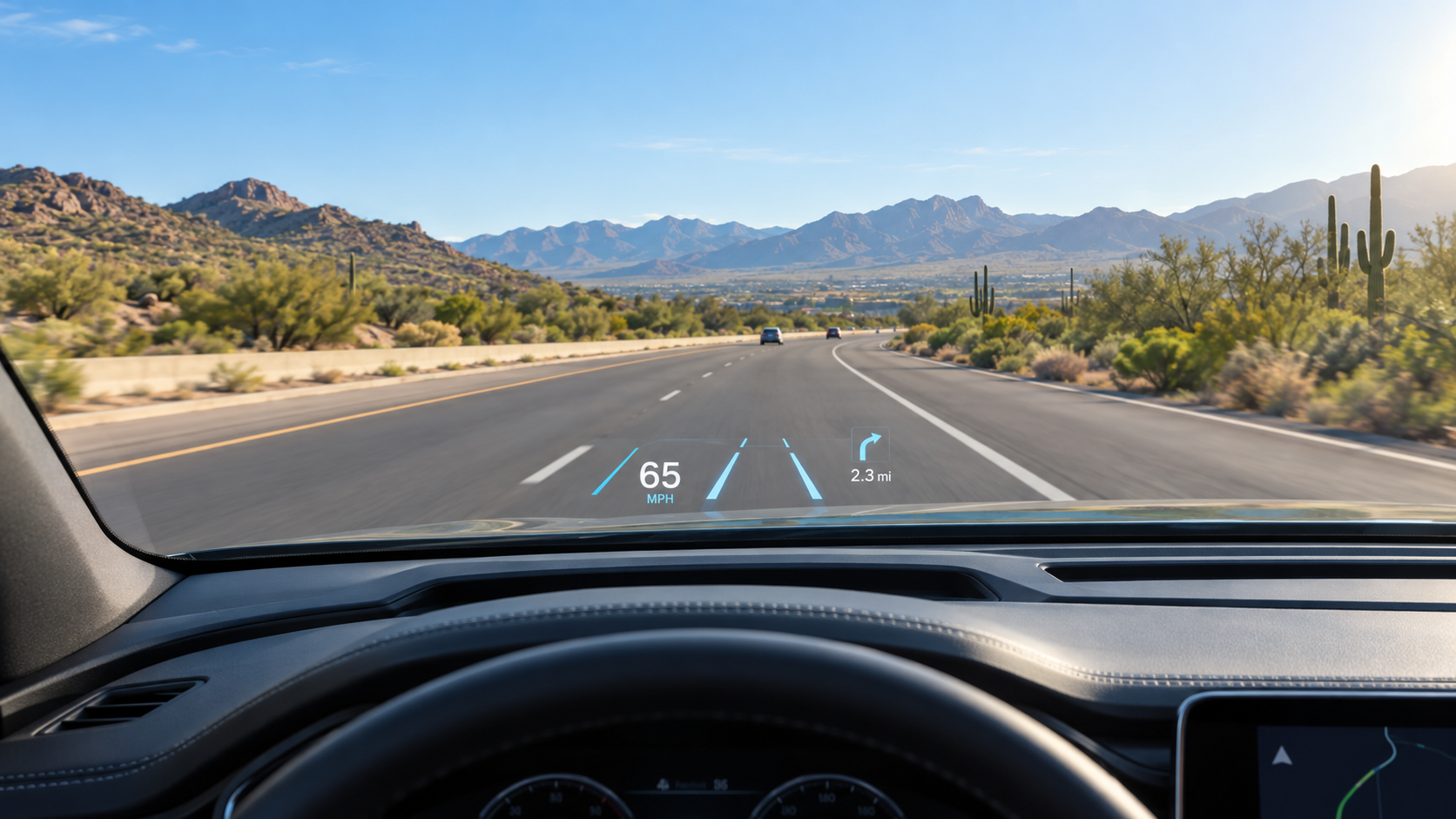
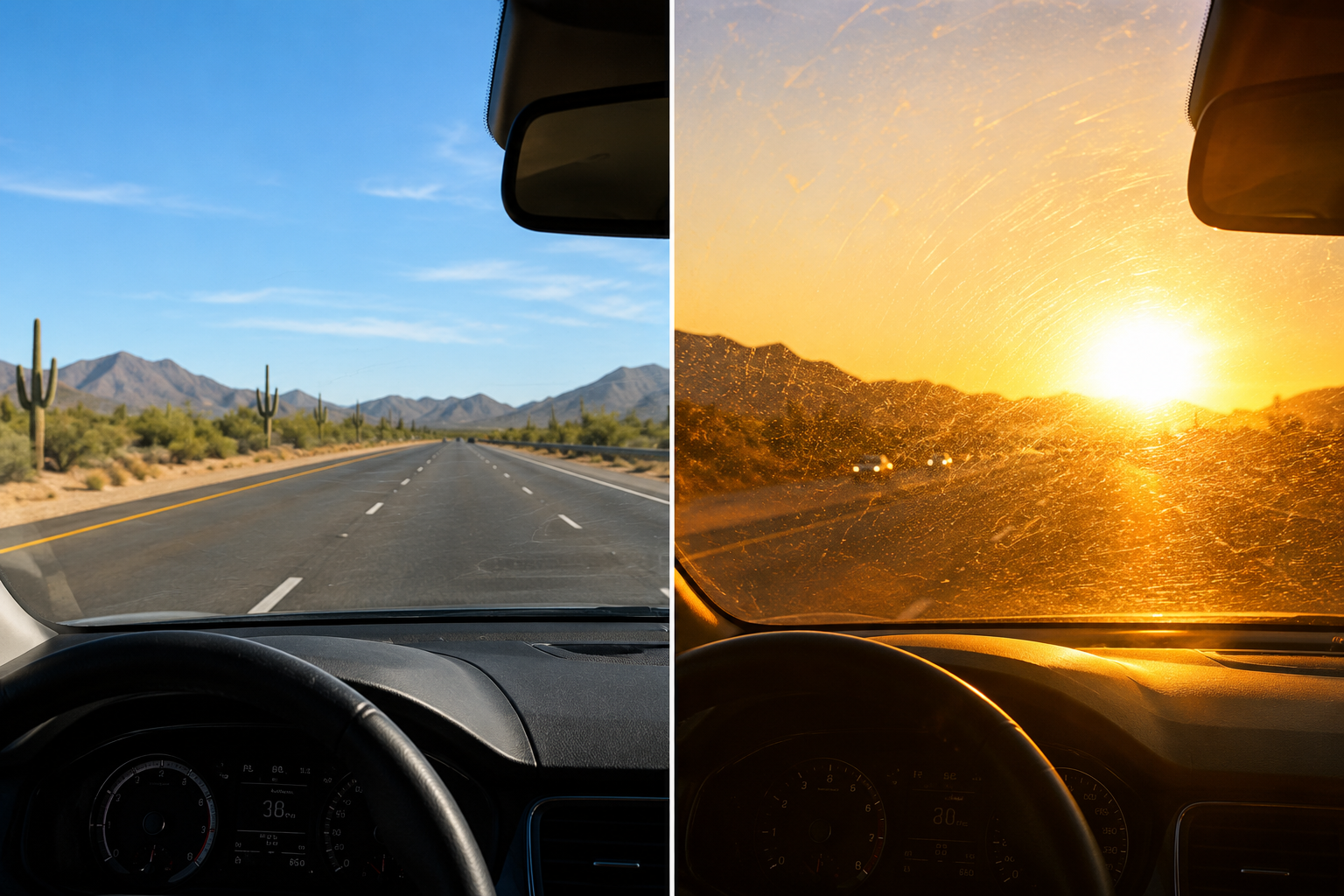
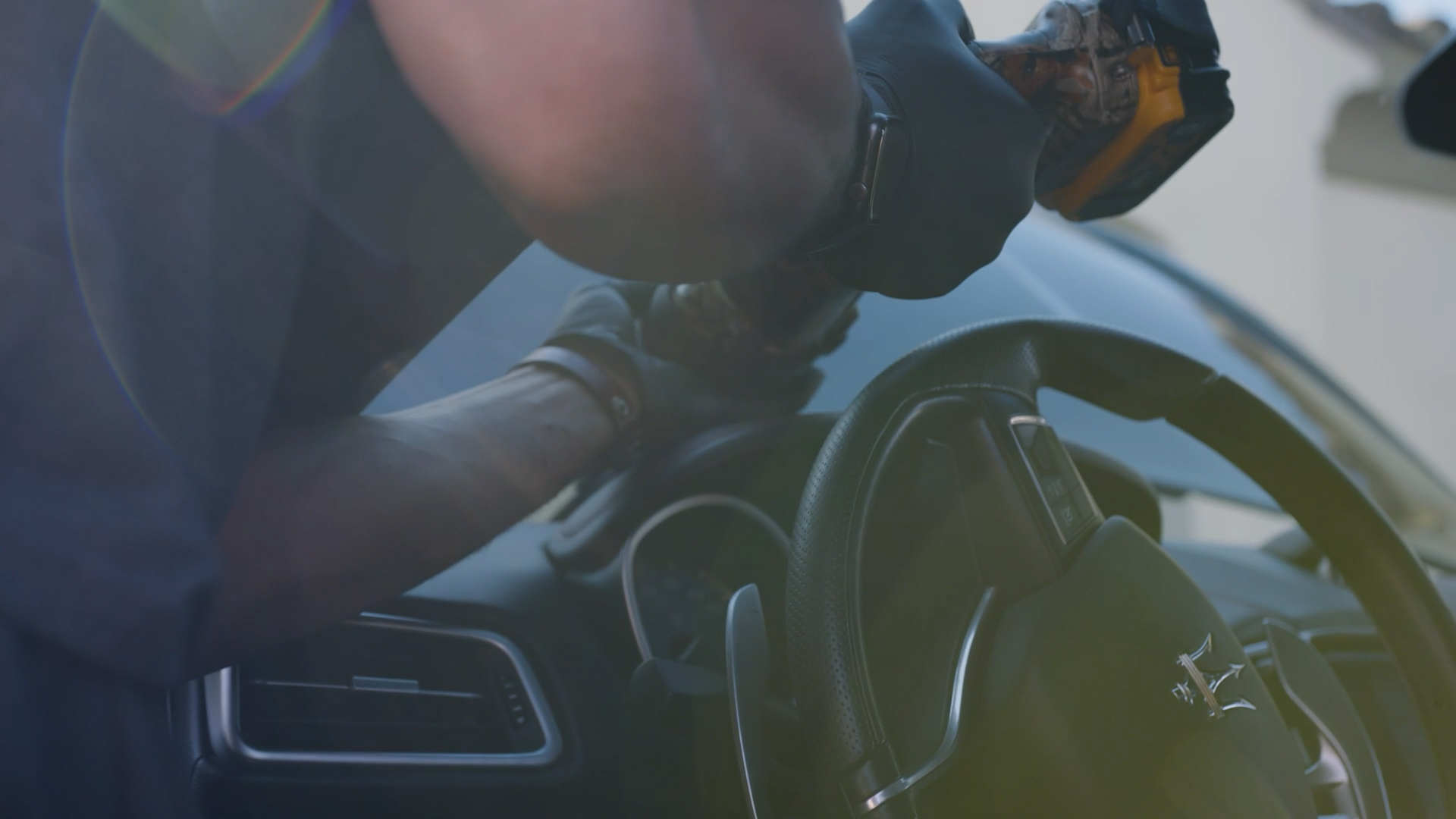
Arizona sunshine does not just make your car uncomfortable. Day after day, it beats through the glass and onto your dashboard, leather seats, steering wheel, touchscreen and trim. Over time, all that exposure can leave a vehicle looking older than it really is.
You may notice a dashboard losing its rich color, leather beginning to dry, upholstery fading unevenly or plastic trim becoming brittle. These changes rarely happen overnight. They build slowly through thousands of hours of intense sunlight and heat.
Quality window tint cannot stop Arizona from being Arizona, but it can become the first layer of defense for everything inside your vehicle. Add a windshield sunshade, a dash mat and smarter parking habits, and you have a simple protection plan that can help your interior stay cooler and look better for longer.
Arizona heat reaches far beyond the air temperature
A 100-degree afternoon does not mean the surfaces inside your parked vehicle stop at 100 degrees. In a study conducted in Tempe, vehicles parked in direct summer sun reached an average cabin temperature of 116 degrees after one hour. Their dashboards averaged 157 degrees, while steering wheels averaged 127 degrees and seats averaged 123 degrees.
That is the environment your dashboard, leather, vinyl, adhesives, screens and interior trim may face again and again.
What the sun is doing to your interior
Sun damage is a combination of ultraviolet exposure, solar heat and time. UV radiation can contribute to fading and discoloration. Heat repeatedly expands, dries and stresses interior materials. Together, they can affect nearly every surface the sunlight reaches.
- Dashboard and trim: Direct exposure can fade dark surfaces, dry plastics and accelerate cracking, especially near the windshield where temperatures are highest.
- Leather and upholstery: Leather may lose moisture and become stiff or cracked. Cloth and synthetic materials can fade, particularly where sunlight repeatedly hits the same area.
- Steering wheel and controls: These high-touch surfaces can become painfully hot, while repeated heat exposure may age coatings and finishes.
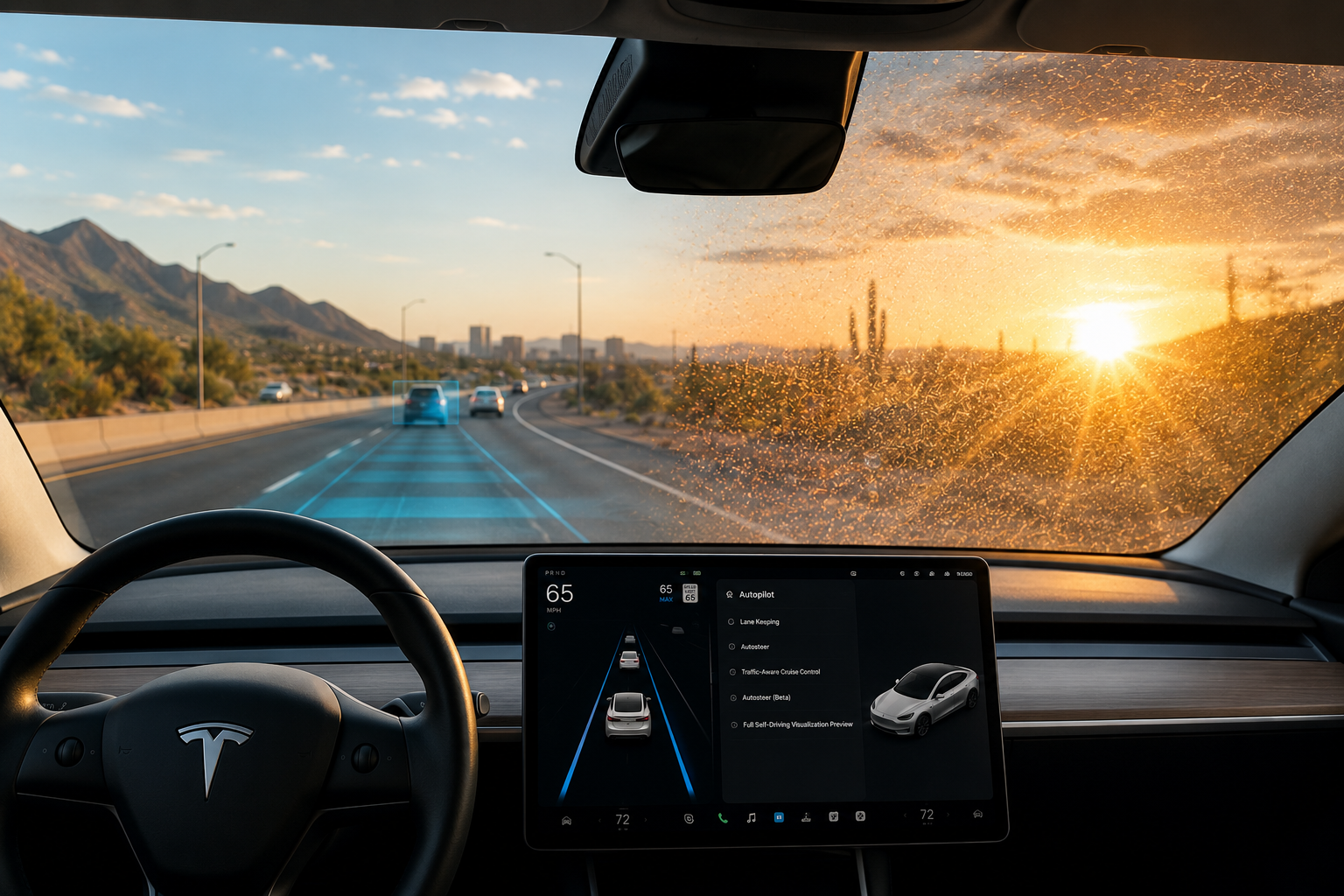
- Screens and electronics: Modern dashboards contain large displays, sensors and electronic controls. A cooler, shaded surface is simply a kinder environment for expensive cabin technology.
Layer one: Choose quality window tint
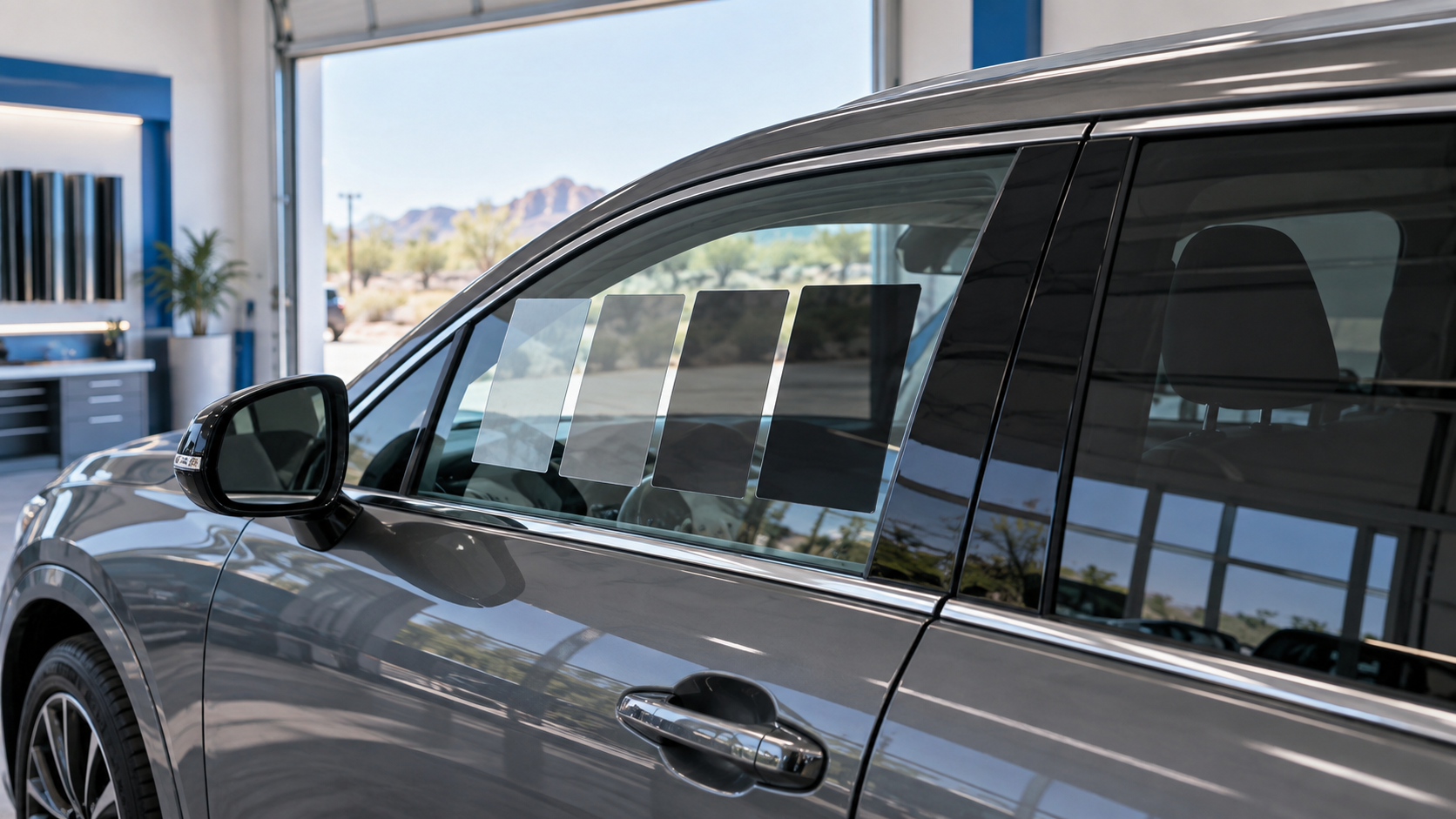
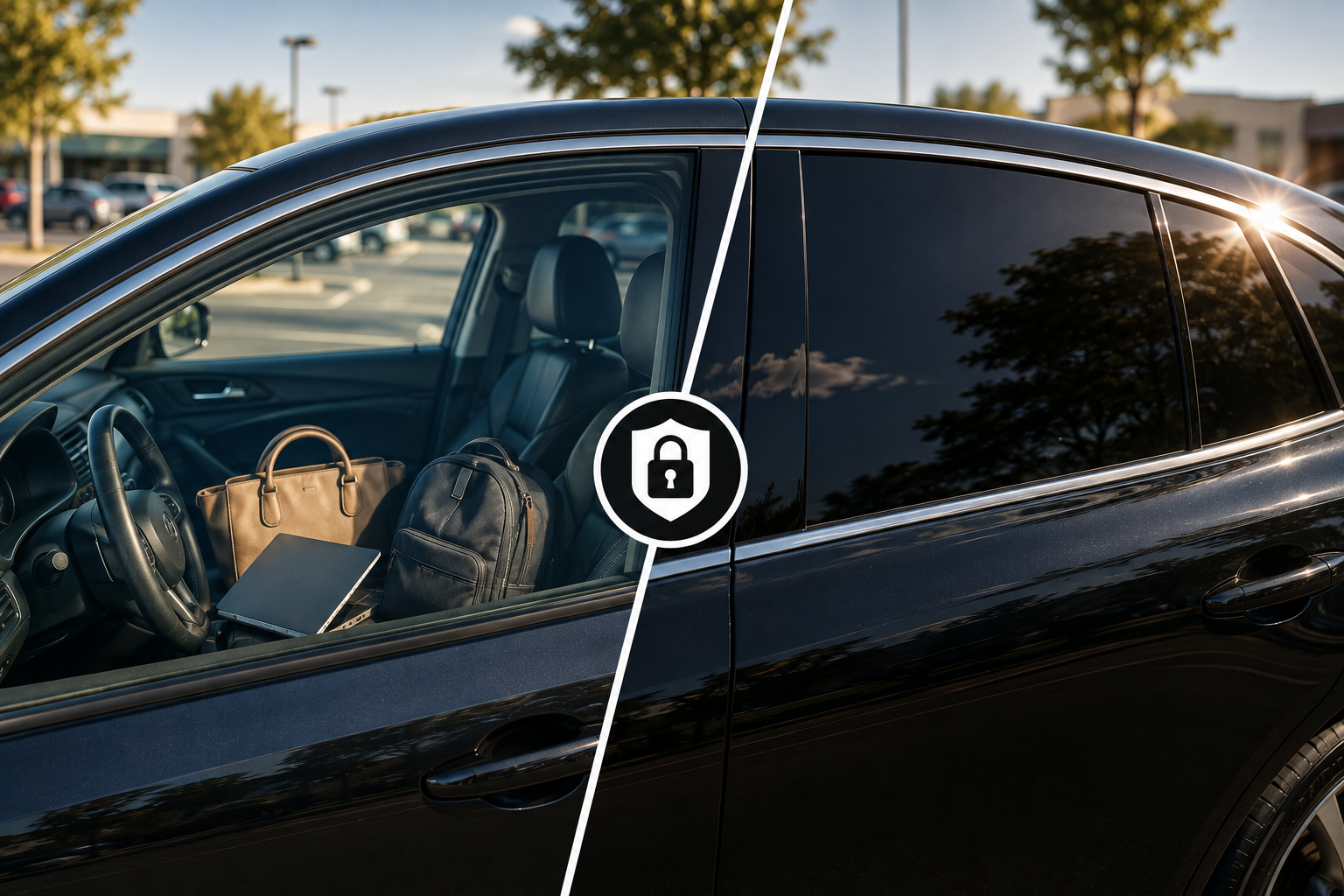
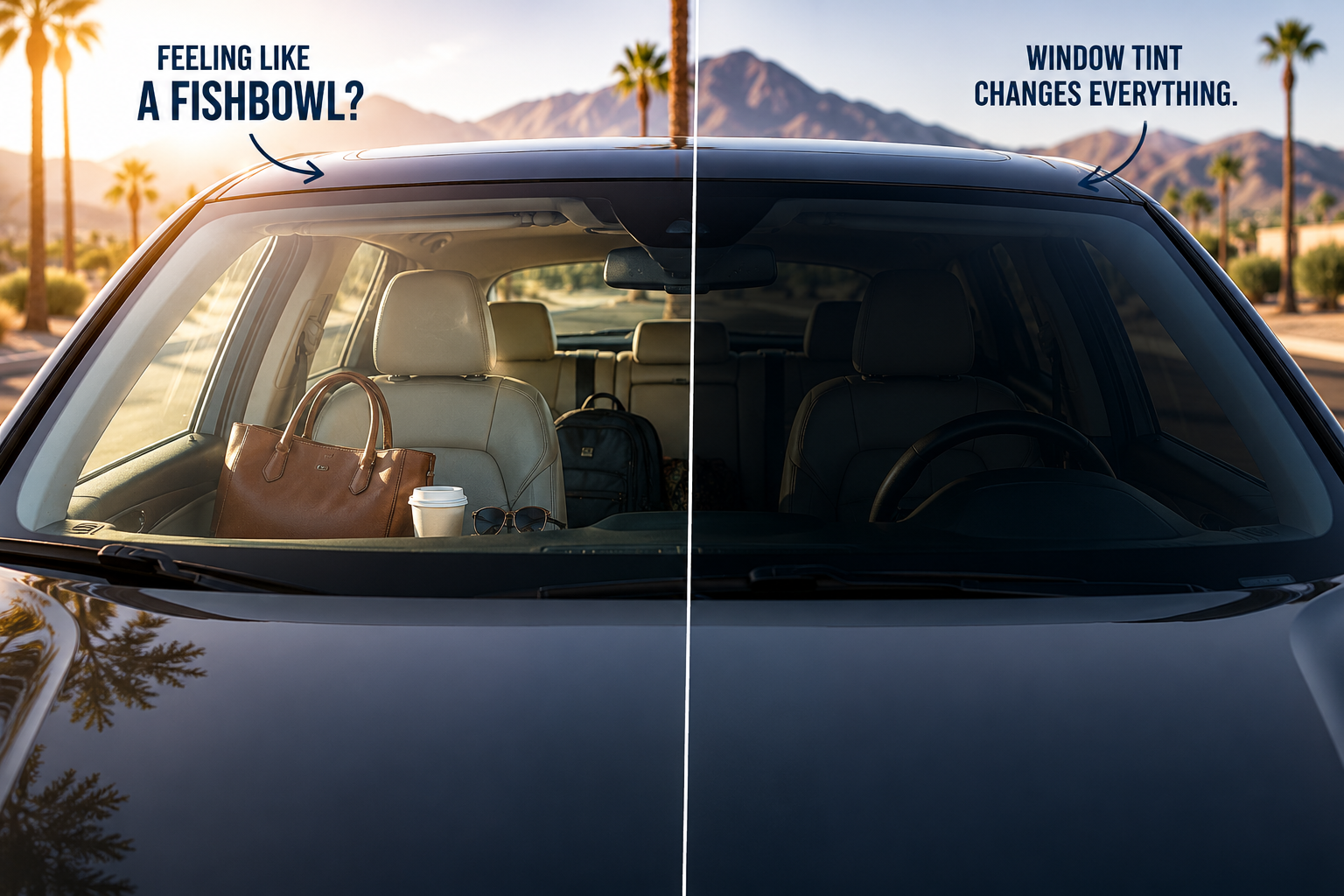
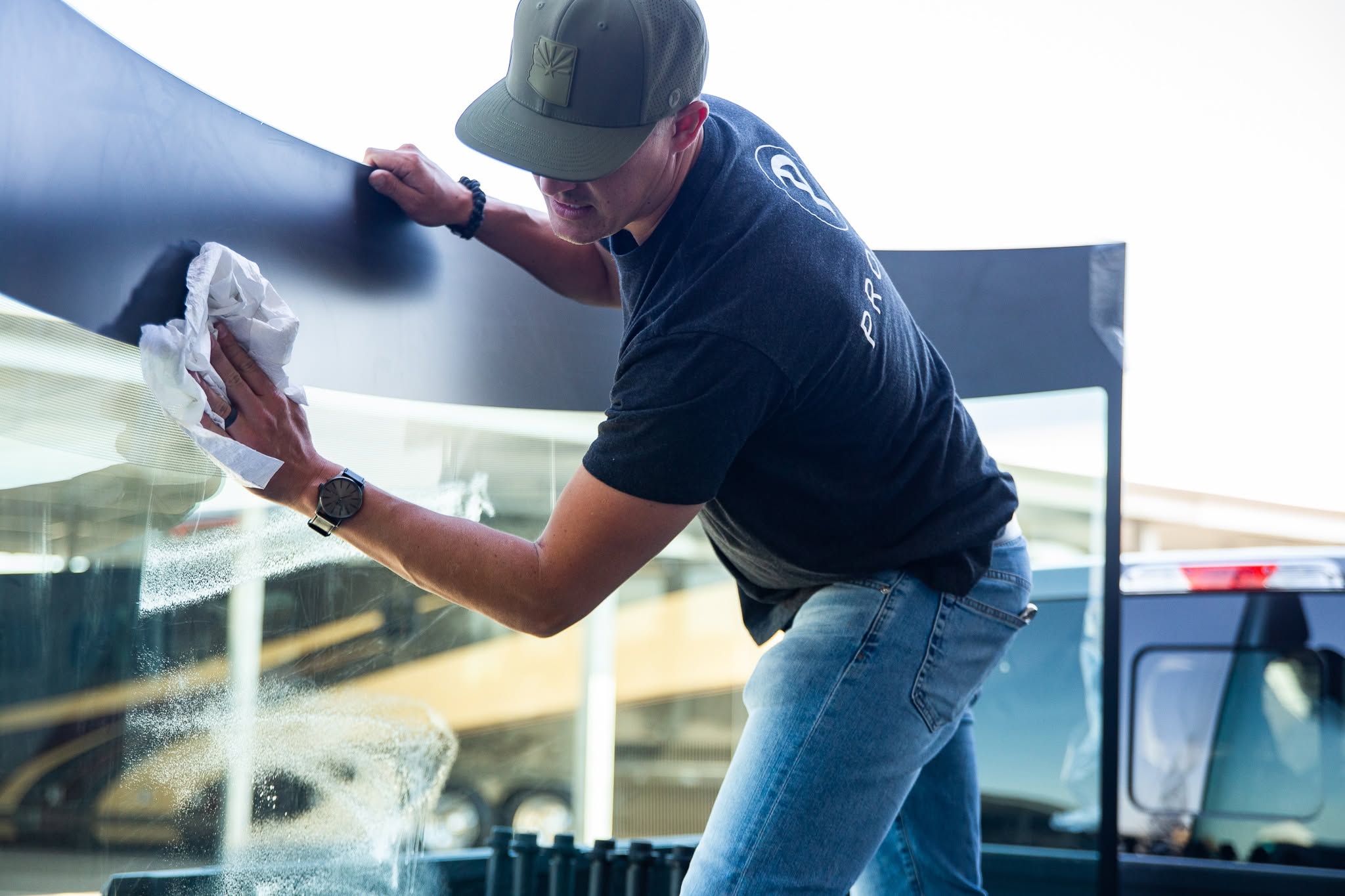
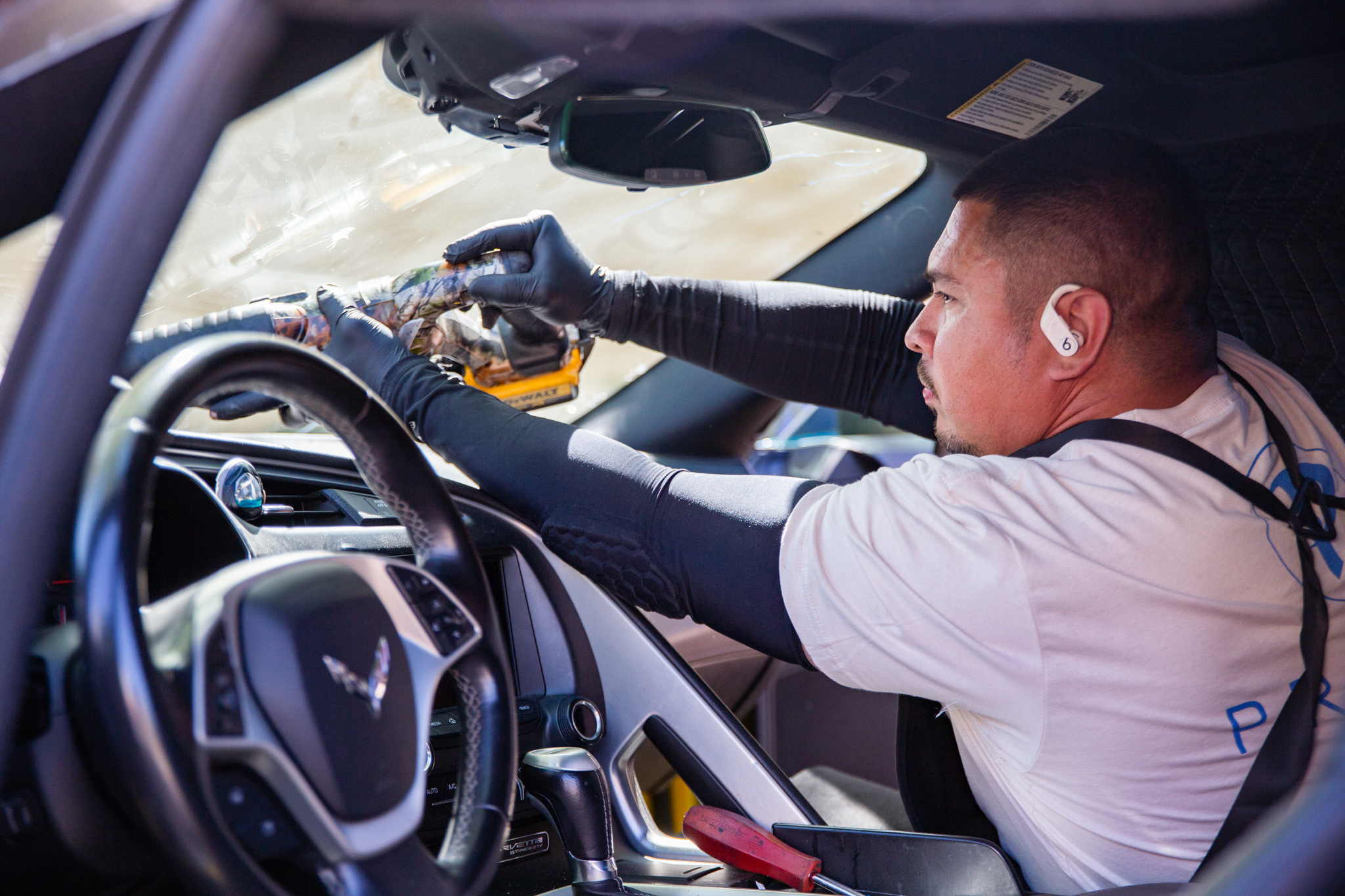
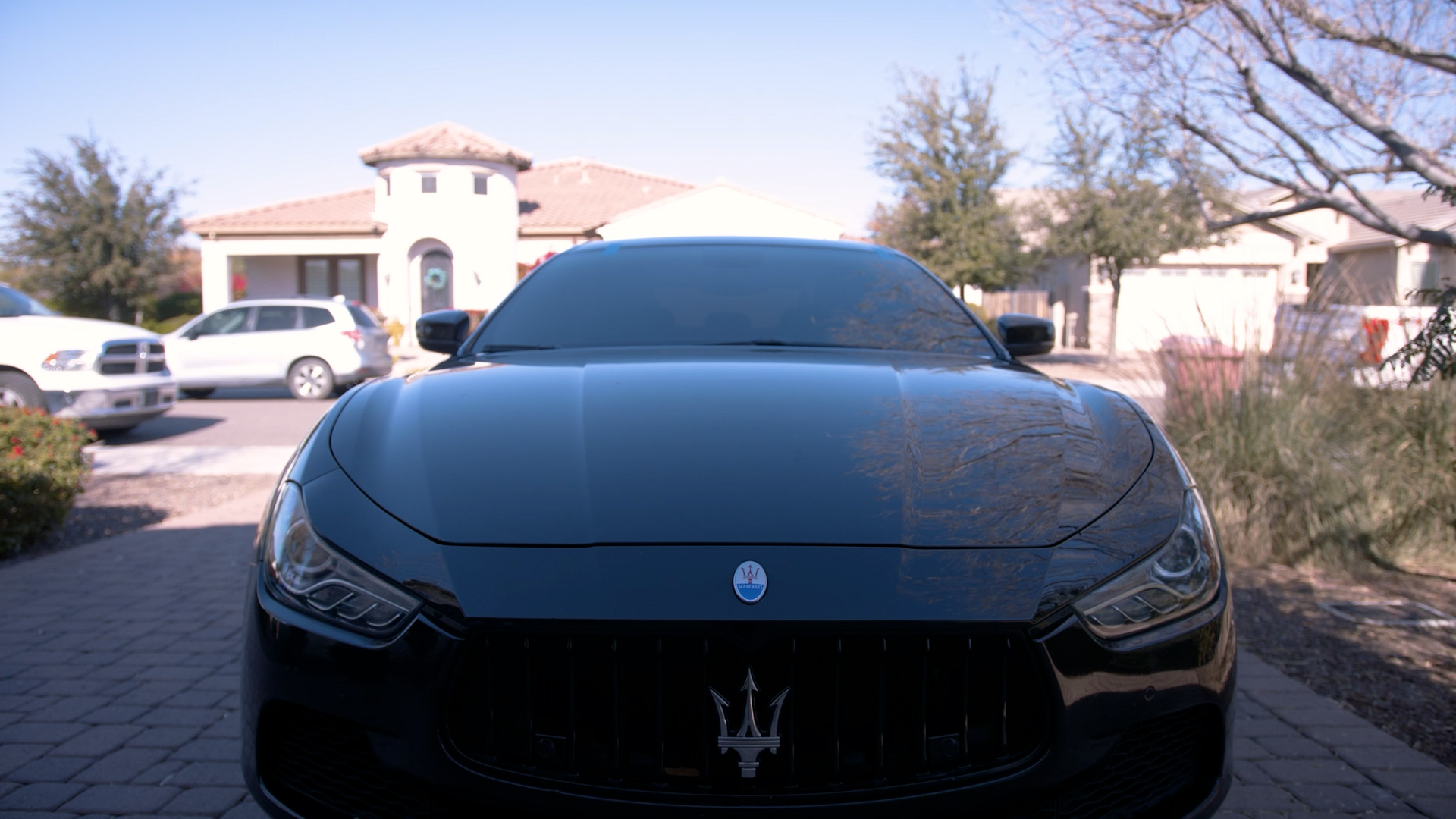
Window tint is the protection layer that works while you drive and while the vehicle is parked. High-quality ceramic film is engineered to reject solar energy and block much of the ultraviolet radiation passing through treated glass. Depending on the film selected, automotive tint may block up to 99% of harmful UV rays.
That matters because the goal is not only a darker-looking window. It is reducing the amount of damaging energy reaching the cabin. A premium ceramic film can provide meaningful heat rejection without relying on an extremely dark shade.
Layer two: Use a windshield sunshade when parked
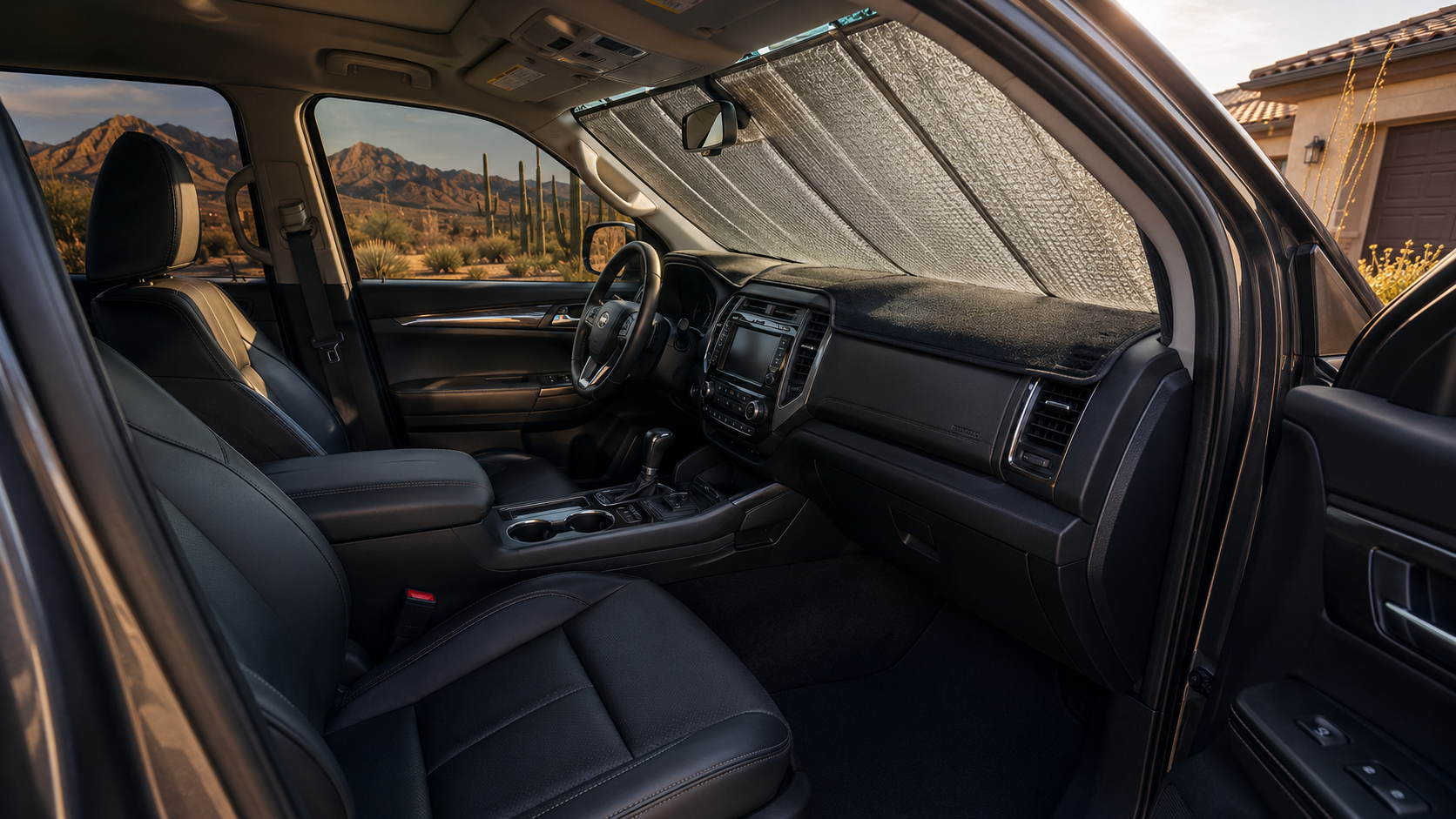
A windshield sunshade addresses one of the largest solar openings in the vehicle. Placing a reflective or insulating shade in the windshield when parking can reduce the amount of heat that builds on the dashboard and front seats.
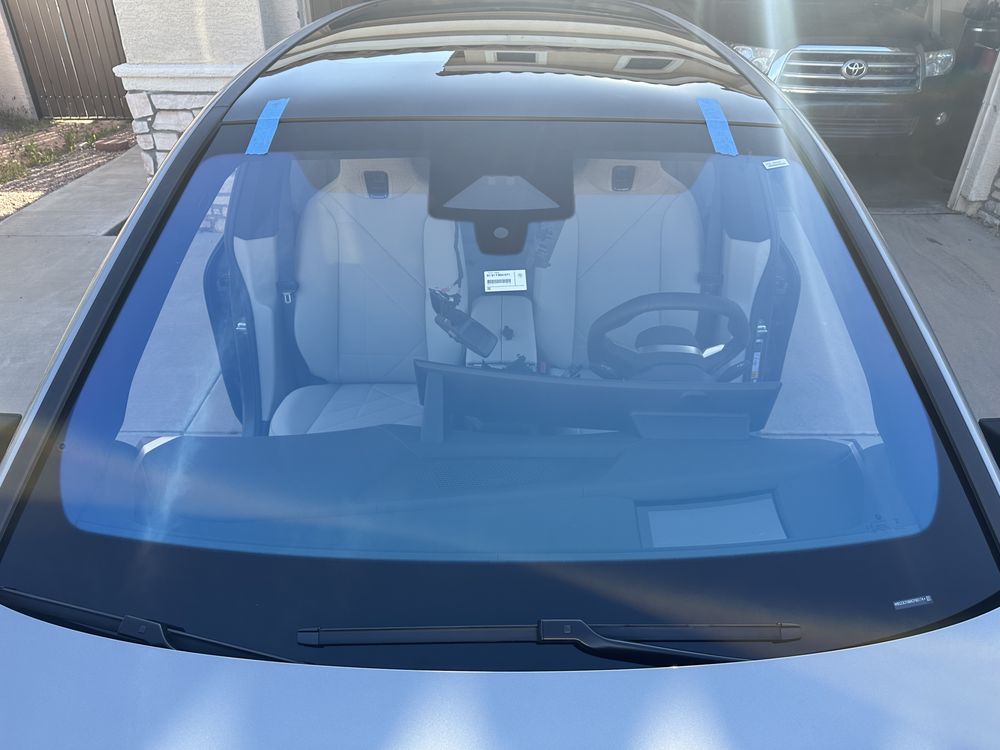
This works alongside window tint rather than replacing it. Tint manages solar energy while you drive and reduces some heat buildup while parked. A sunshade adds a physical barrier for the windshield, which typically does not have the same legal options for added film as the side windows.
Layer three: Consider a dash mat
A dashboard mat or cover adds a physical layer between the glass and the dashboard surface itself. It can reduce the temperature of the dashboard trim directly beneath the windshield, which is often the area exposed to the most direct sun.
Like sunshades, dash mats are most effective when used as part of a broader strategy that includes window tint on the side and rear glass.
Smarter parking habits matter too
Shade is one of the most effective tools available. Covered parking, structures, trees, and north-facing spots all reduce how much direct sun reaches the glass and roof of the vehicle.
Even minor adjustments, such as choosing the shaded side of a parking lot or positioning the vehicle so the windshield faces away from the afternoon sun, can make a noticeable difference in how hot the cabin becomes.
A practical strategy for Arizona drivers
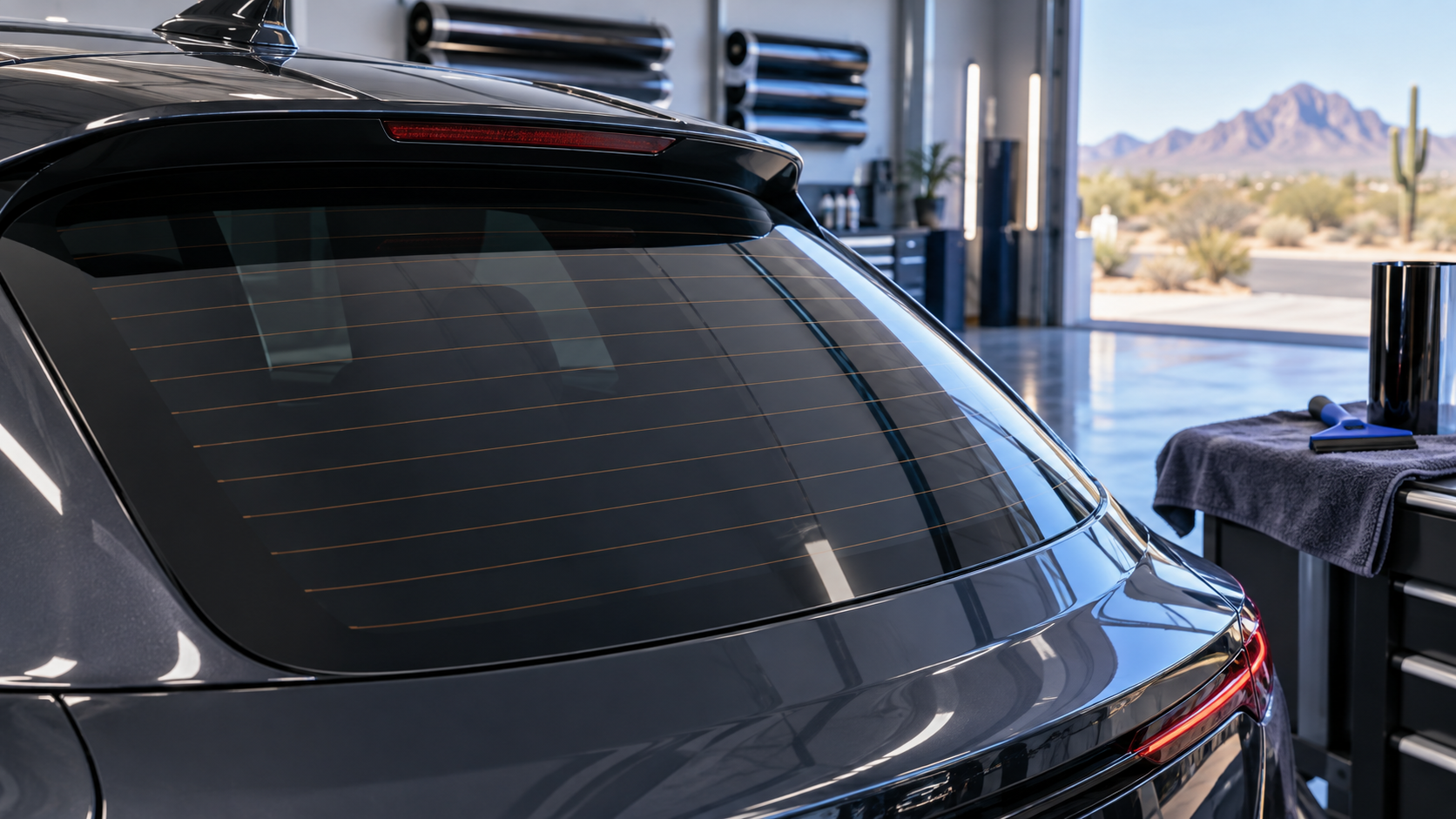
No single product eliminates sun damage in an Arizona climate. The most effective approach combines quality ceramic window tint on the side and rear glass, a windshield sunshade for parking, a dash mat for the most exposed surface, and smarter parking choices when possible.
Each layer addresses a different part of the problem. Together, they can help your interior stay cooler, look better, and last longer through years of Arizona driving.
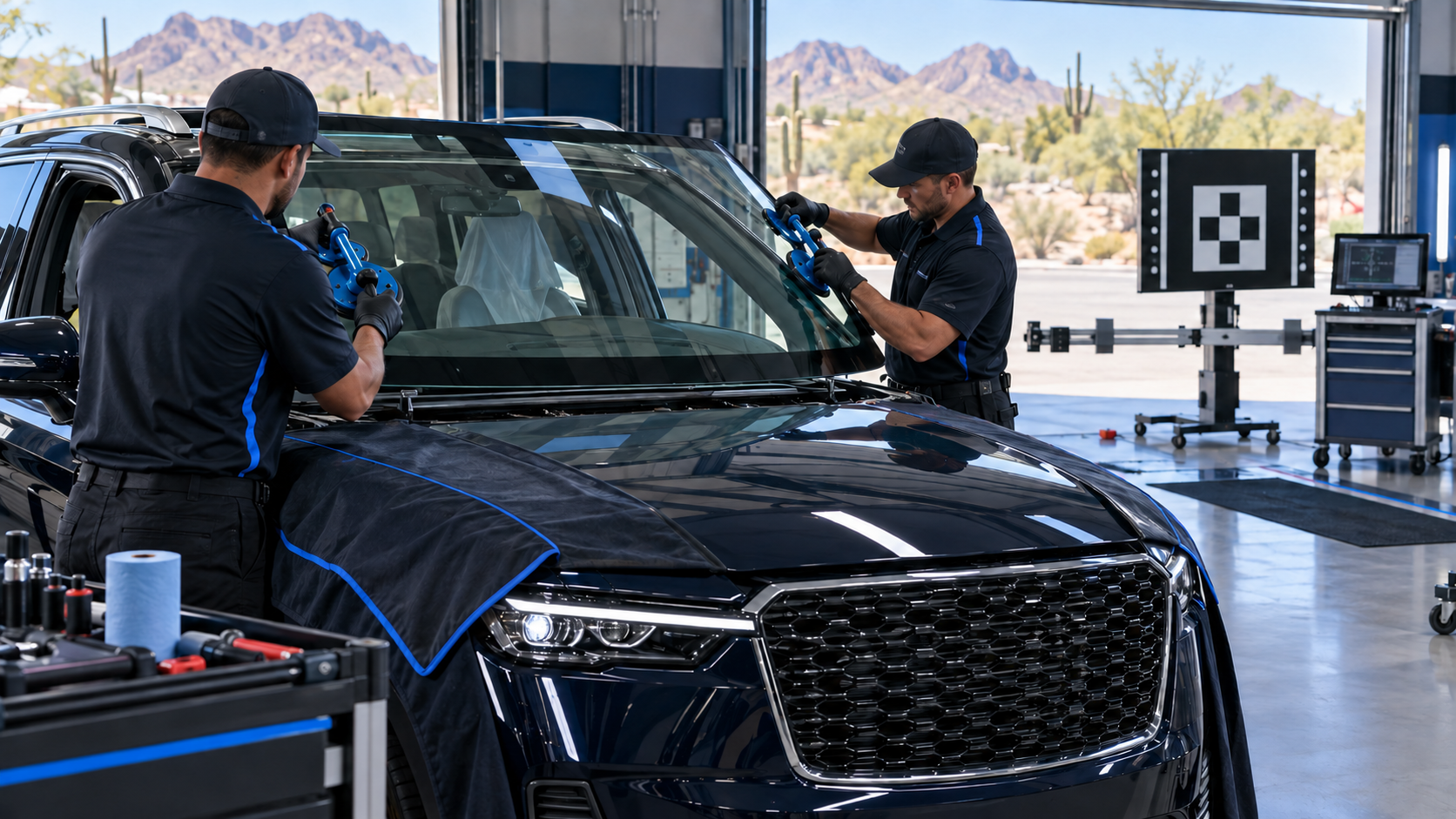
At ProView Auto Glass & Tint, we help Arizona drivers choose window film based on performance, legality, and how they use their vehicles — not just shade alone.
Frequently Asked Questions
Does window tint really protect a car dashboard from the sun?
Yes. Quality ceramic window tint can block significant ultraviolet radiation and reduce solar heat entering through treated glass, both of which contribute to dashboard fading and material stress over time.
What is the best way to protect leather seats in Arizona?
A combination of window tint to reduce UV and heat, a windshield sunshade when parked, and appropriate leather care products can help slow the drying and cracking process.
Will a windshield sunshade make a difference if I already have tint?
Yes. Side and rear window tint and a windshield sunshade address different surfaces. Using both together provides broader coverage than either alone.