Does Your Car Have a Head-Up Display? Why Windshield Replacement Gets More Technical
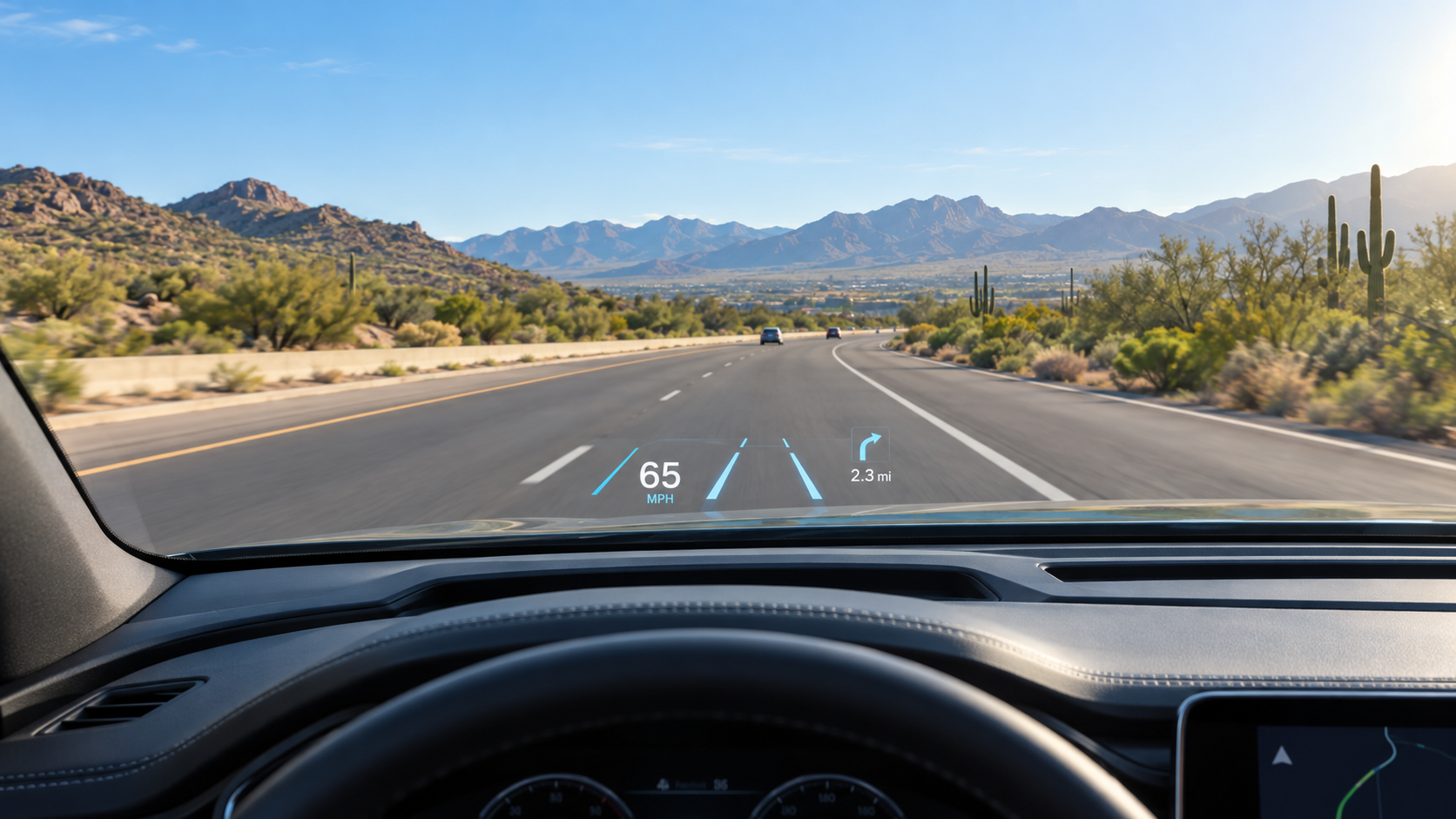
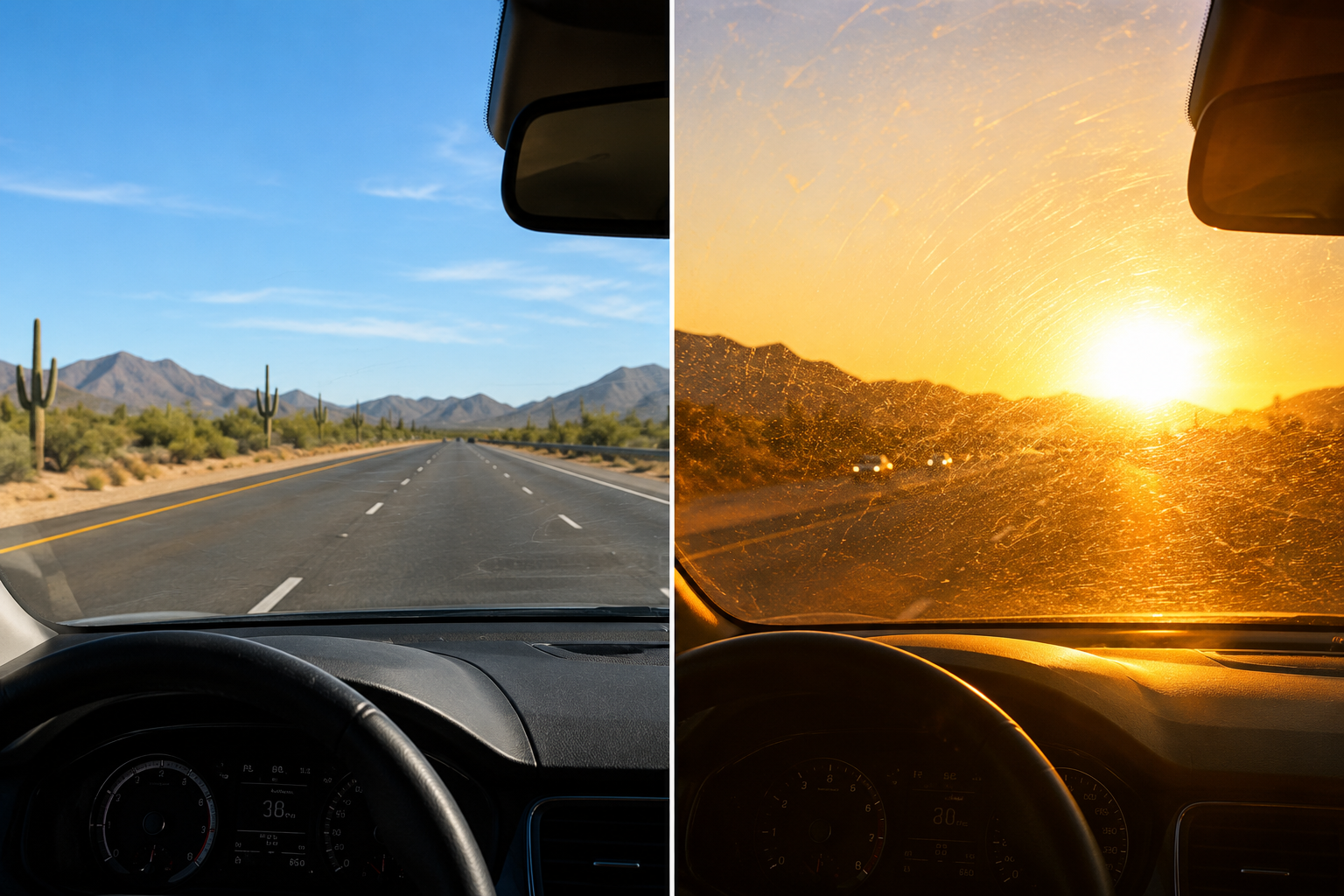
Most drivers think of a windshield as a clear piece of safety glass. But if your speed, navigation directions, or collision warnings appear to float above the road in front of you, your windshield is doing far more than keeping wind, heat, and debris outside the vehicle.
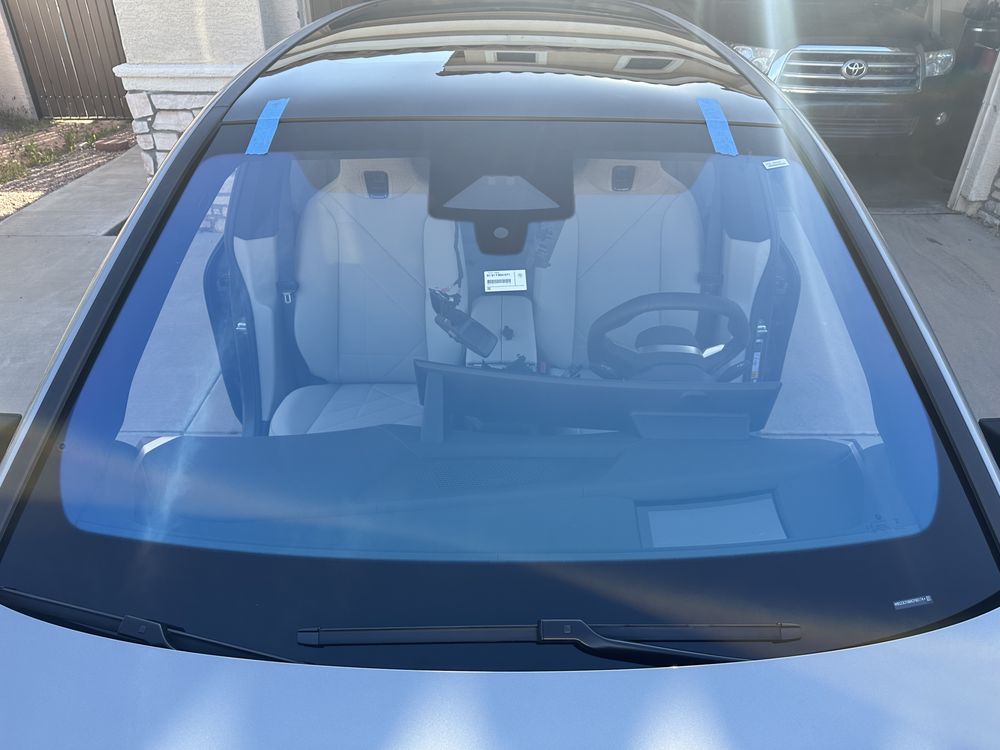
Vehicles equipped with a head-up display, often shortened to HUD, require a windshield designed to work with that technology. Choosing the wrong glass can leave the display doubled, blurry, distorted, or difficult to read. If the vehicle also has advanced driver assistance systems, replacing the windshield may require camera recalibration before the job is truly complete.
What Is a Head-Up Display?
A head-up display projects information into the driver's field of view so it can be seen without looking down at the instrument panel. Depending on the vehicle, the projection may include speed, navigation directions, posted speed limits, incoming calls, lane guidance, or warnings from the vehicle's safety systems.
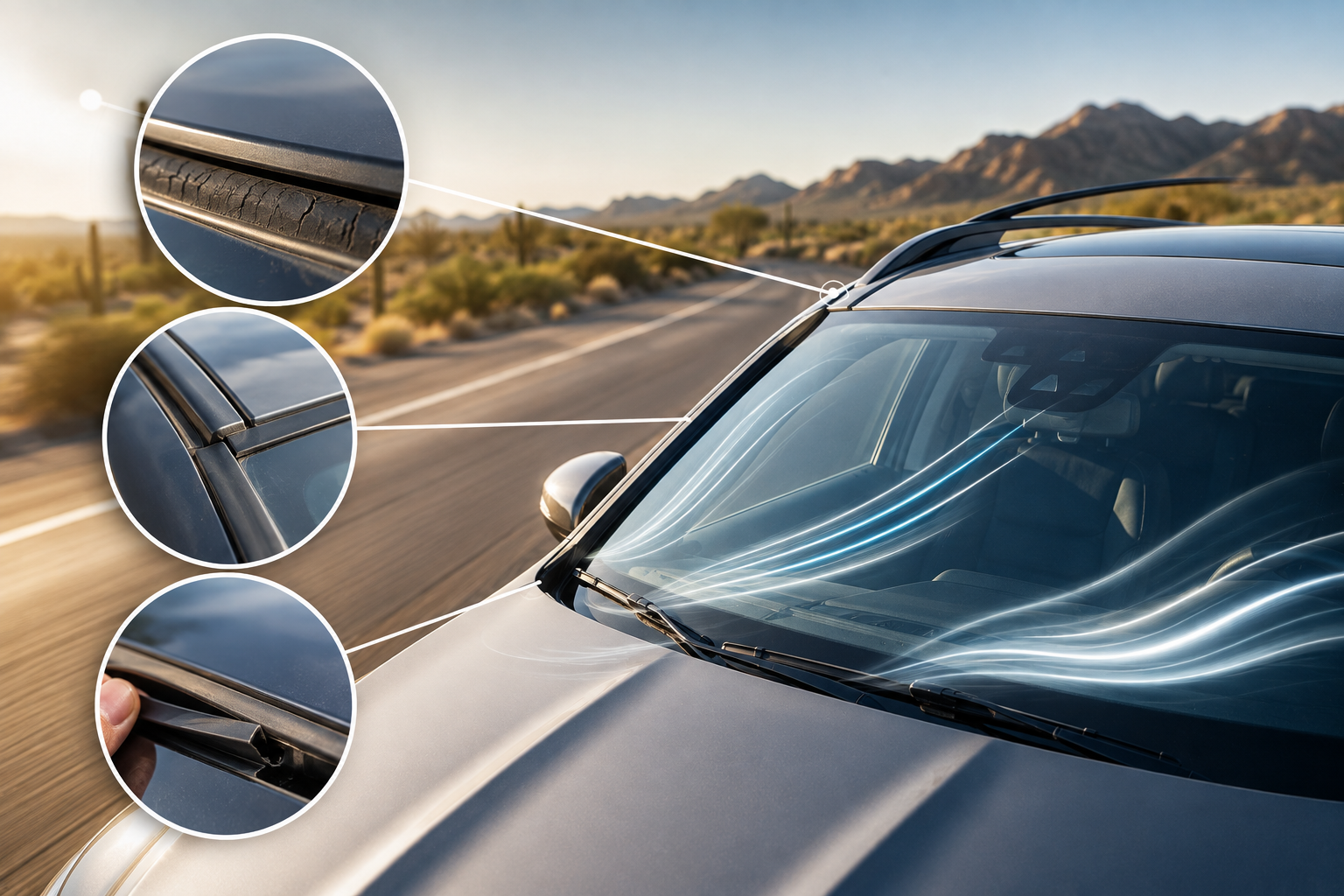
The image appears to float beyond the dashboard, but it is actually being reflected by the windshield. That reflection is where the glass becomes a critical part of the system.
What Makes a HUD Windshield Different?
A laminated windshield contains two layers of glass with a plastic interlayer between them. When a HUD projector sends an image toward ordinary laminated glass, both glass surfaces can create a reflection. Instead of one crisp speed reading, the driver may see two slightly offset images.
HUD-compatible glass is engineered to control those reflections. In many applications, the plastic laminate has a precisely designed wedge shape that aligns the reflected images into one clear projection. The windshield may also have exact requirements for thickness, curvature, optical clarity, coatings, and the location of the display area.
What Happens If the Wrong Windshield Is Installed?
The windshield may fit the opening and appear normal from the outside, yet still be incompatible with the vehicle's technology. A driver may notice a ghost image, blurry numbers, distortion, or a display that seems tilted or incorrectly positioned.
Those symptoms do not automatically mean the projector itself has failed. The windshield could be the problem. That is why the auto glass company must identify the vehicle by more than its year, make, and model. The trim level, factory options, VIN, camera configuration, and HUD equipment can all affect the correct part selection.
Is HUD Calibration the Same as ADAS Calibration?
No. They are connected to the windshield, but they serve different purposes.
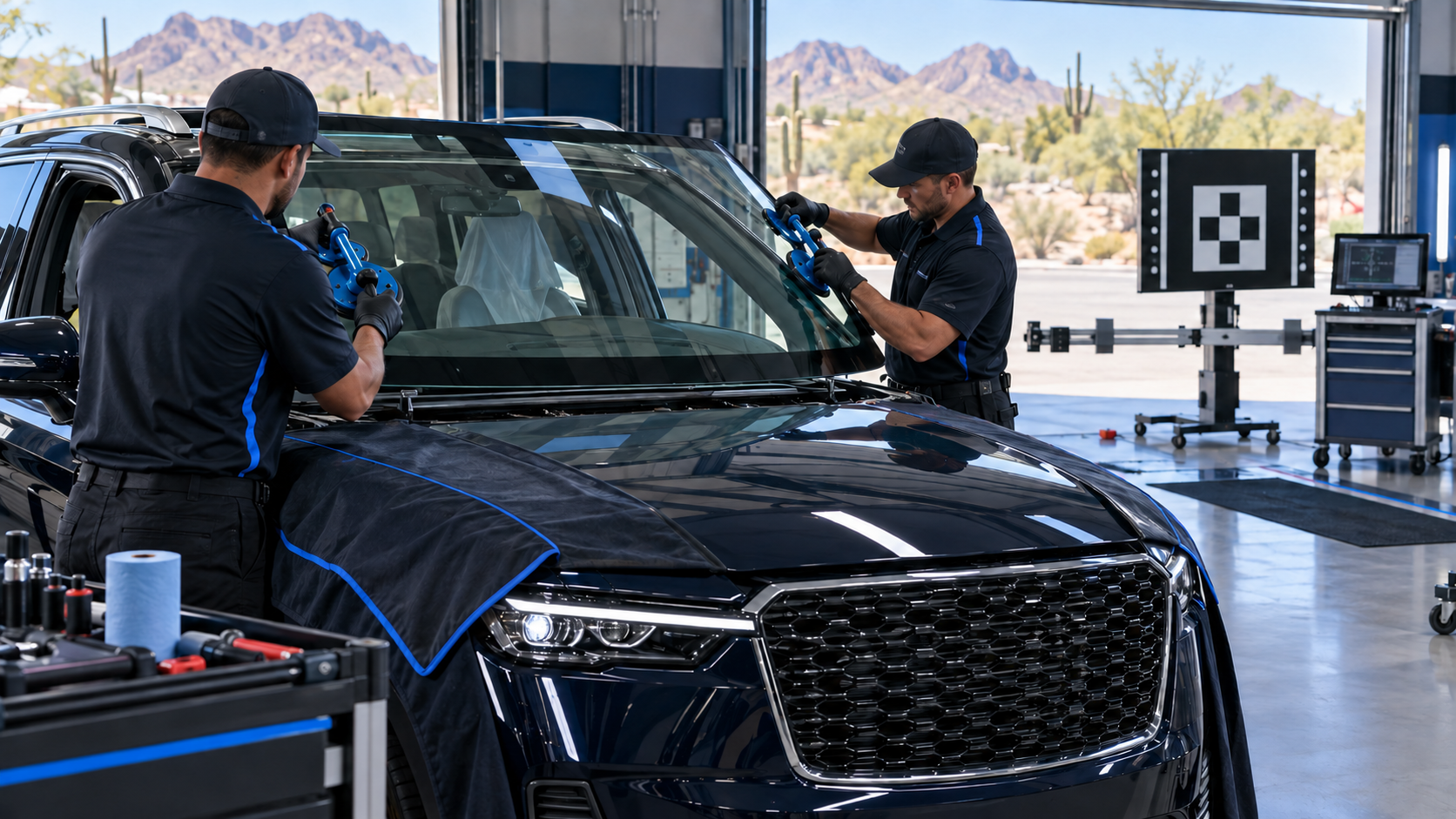
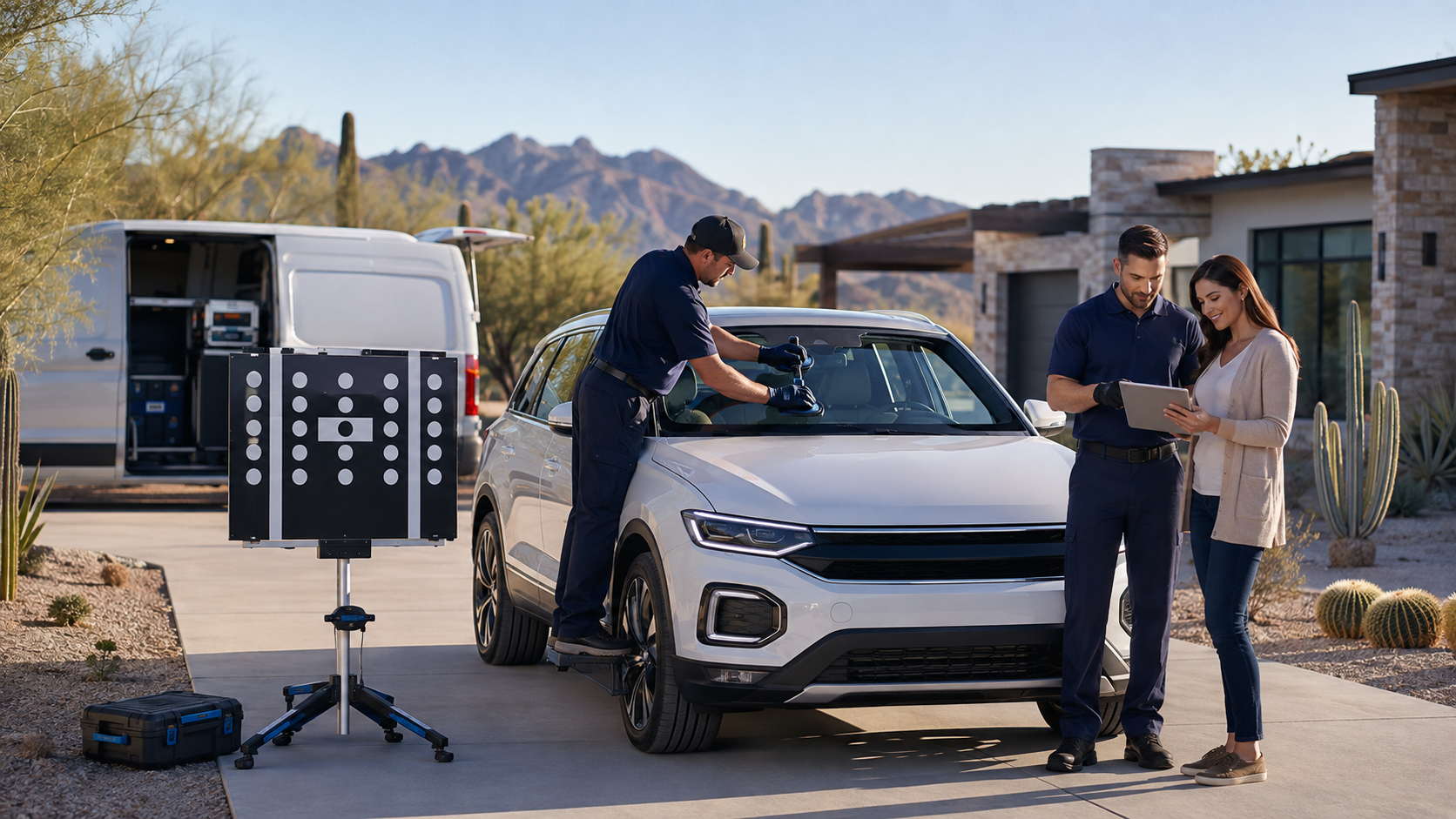
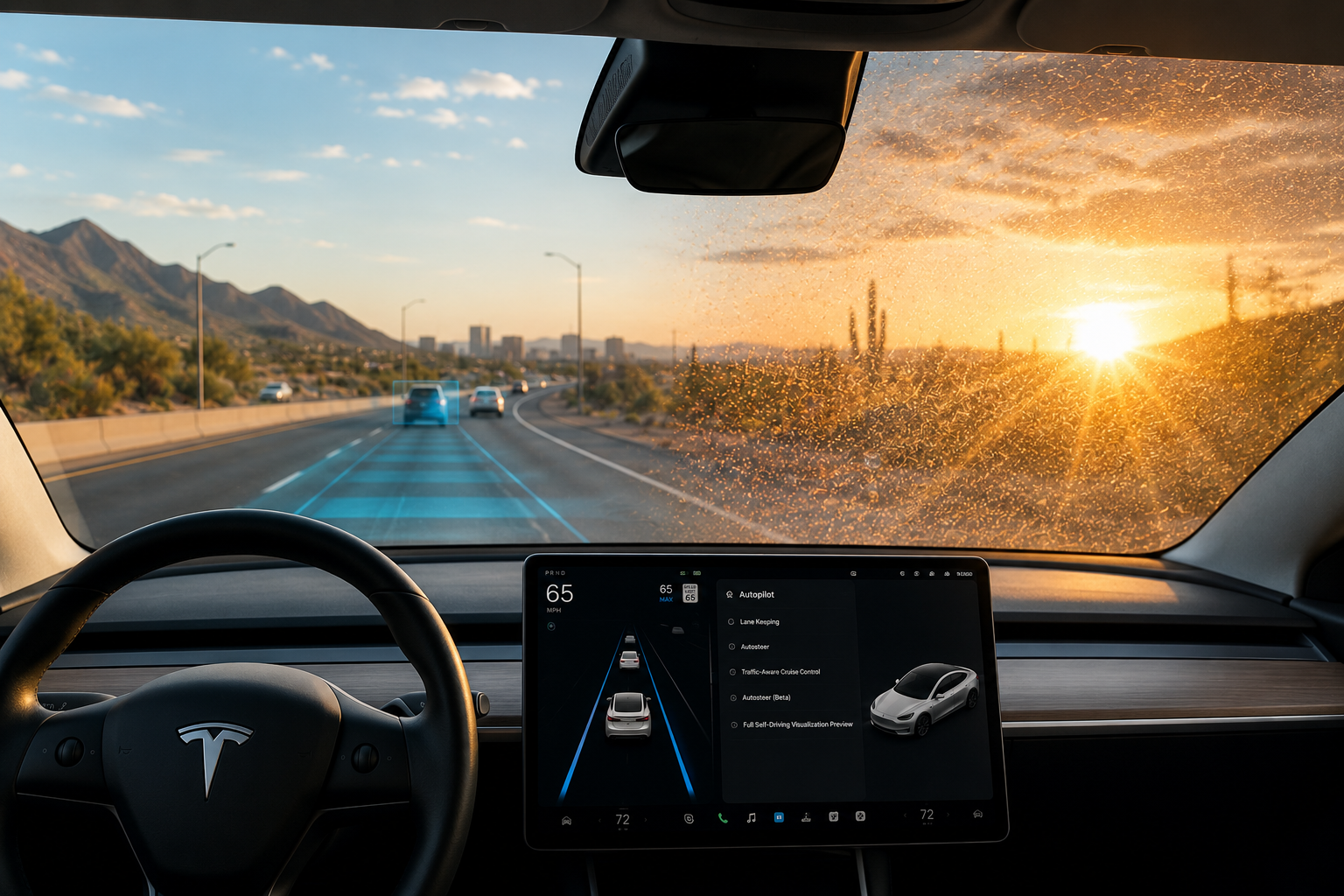
The head-up display projects information for the driver to see. Advanced Driver Assistance Systems (ADAS) use cameras and sensors to interpret what is happening around the vehicle. When a windshield-mounted camera is removed, disturbed, or given a new piece of glass to look through, the vehicle manufacturer may require recalibration.
Manufacturer procedures vary. Some vehicles require static calibration with targets in a controlled environment. Others require dynamic calibration while the vehicle is driven under specified conditions. Some require both.
Why the Glass Quality Matters to Both Systems
A HUD needs a clean, properly aligned reflection. A forward-facing camera needs a precise and unobstructed view of the road. The correct part, professional installation, and manufacturer-required calibration work together. Treating any one of those steps as optional can compromise the finished repair.
Will Insurance Cover a HUD Windshield and ADAS Recalibration?
It may, but the answer depends on the driver's policy, coverage, deductible, insurance carrier, vehicle, and the reason the windshield was damaged.
When a covered windshield replacement requires HUD-compatible glass, the correct glass should be identified as part of the repair. When the manufacturer requires ADAS calibration following replacement, insurance will often consider calibration part of restoring the vehicle properly.
Visit our windshield insurance claims page for more information.
What Should You Ask Before Scheduling Replacement?
If your vehicle projects information onto the windshield, mention it when requesting a quote. Ask whether the shop will confirm the correct glass using the VIN and factory equipment, whether the vehicle requires ADAS calibration, and what type of calibration the manufacturer specifies.
The Windshield Is Now Part of the Technology
A windshield with a head-up display is not just a transparent barrier. It is an optical component that helps deliver information to the driver. When a camera looks through that same windshield, the glass also becomes part of how the vehicle's safety technology reads the road.
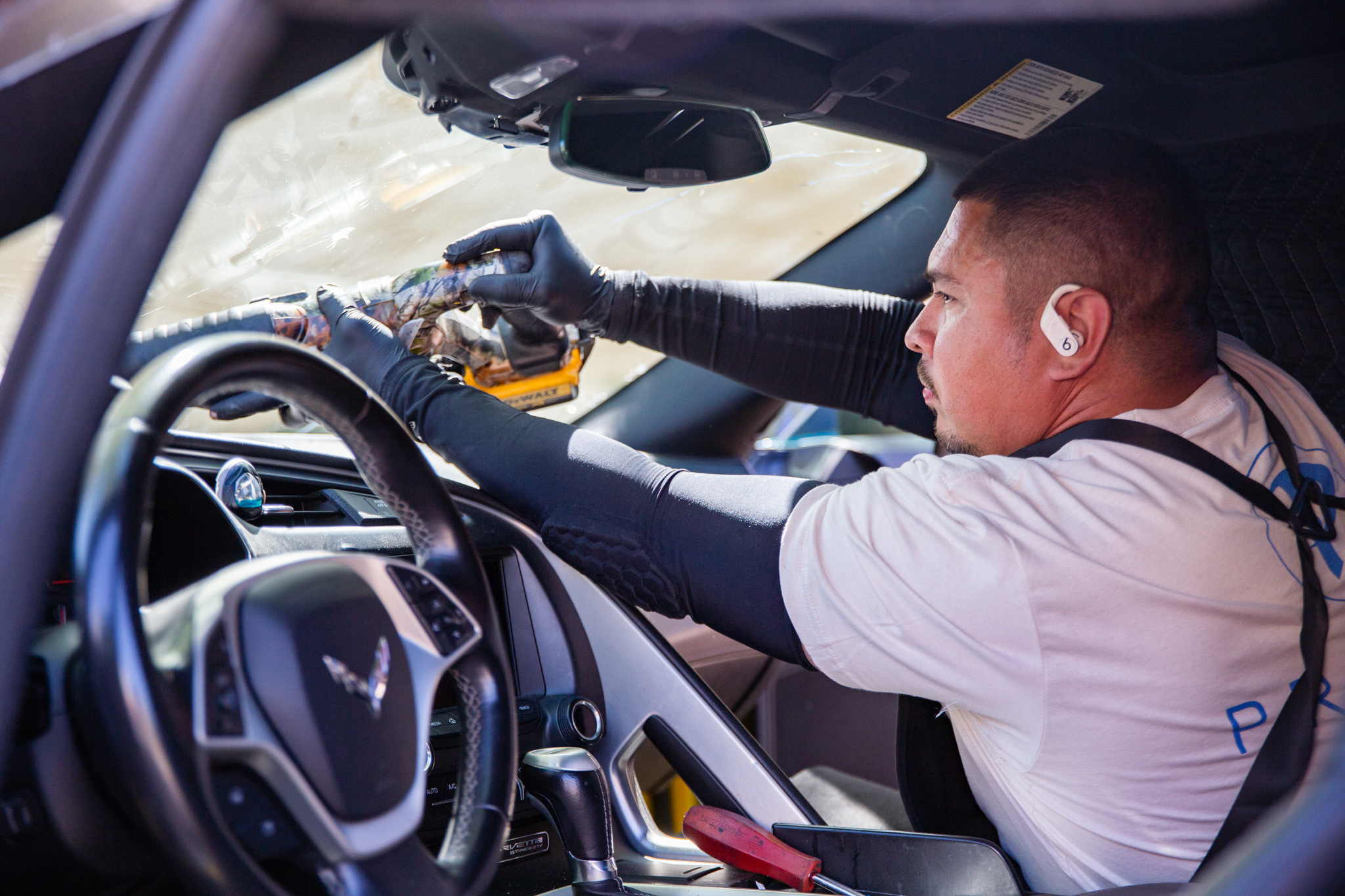
ProView Auto Glass & Tint helps Arizona drivers navigate the entire process, from identifying the correct windshield and working with insurance to professional installation and ADAS recalibration.
Frequently Asked Questions
How do I know whether my car has a head-up display?
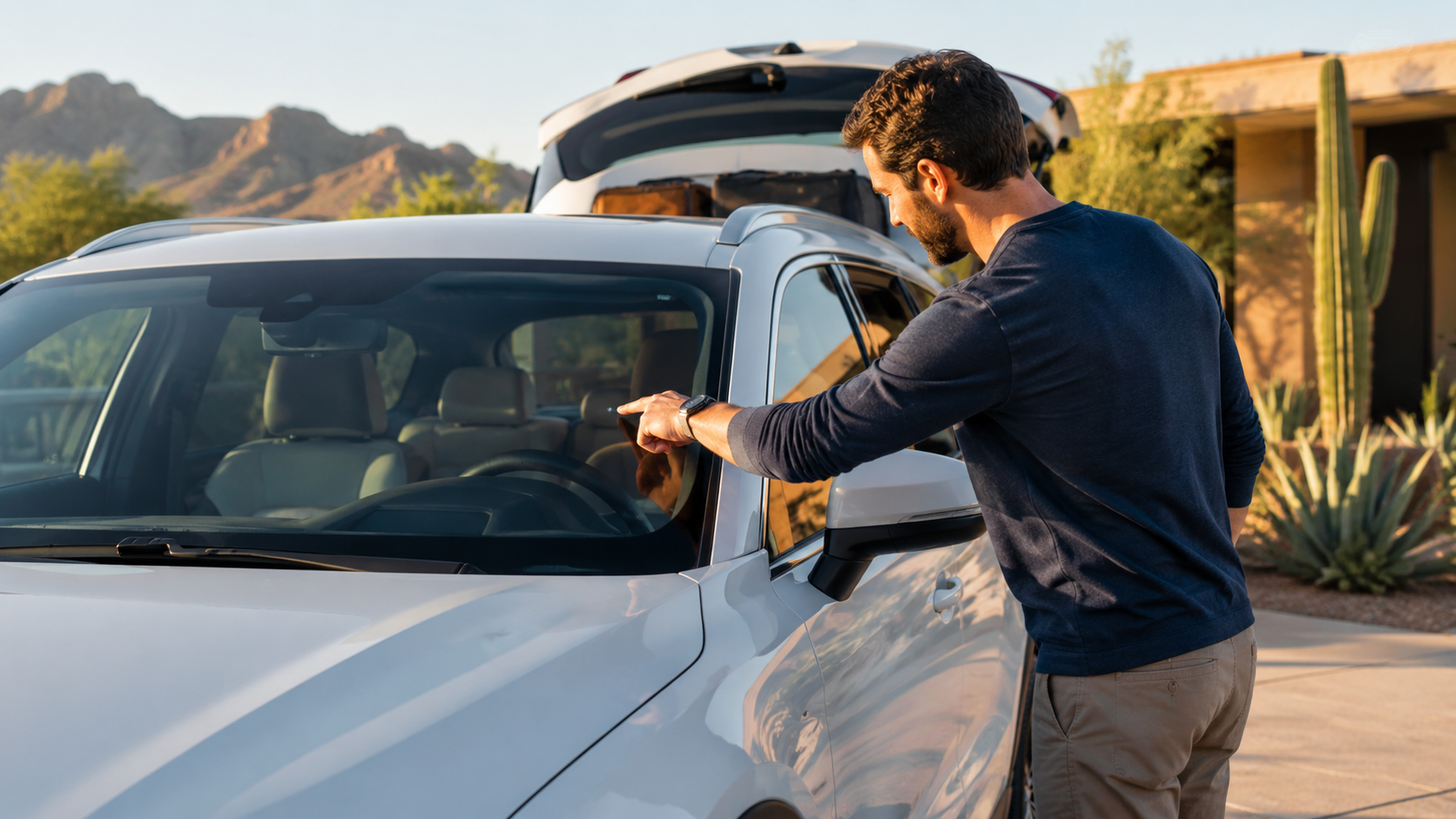
If speed, navigation, or safety information appears projected near the base of the windshield in your line of sight, your vehicle has a HUD. Your VIN and factory equipment list can also confirm it.
Can a regular windshield be used with a head-up display?
A standard non-HUD windshield may physically fit, but it can cause the projected image to appear doubled, blurry, or distorted. The replacement glass should match the vehicle's HUD specifications.
Does every HUD vehicle require ADAS recalibration?
Not necessarily. HUD and ADAS are separate technologies. Recalibration depends on the cameras and sensors installed and the vehicle manufacturer's procedures, not on the presence of a HUD alone.