Can You Tint a Heated Rear Window? What Arizona Drivers Should Know About Defroster Lines
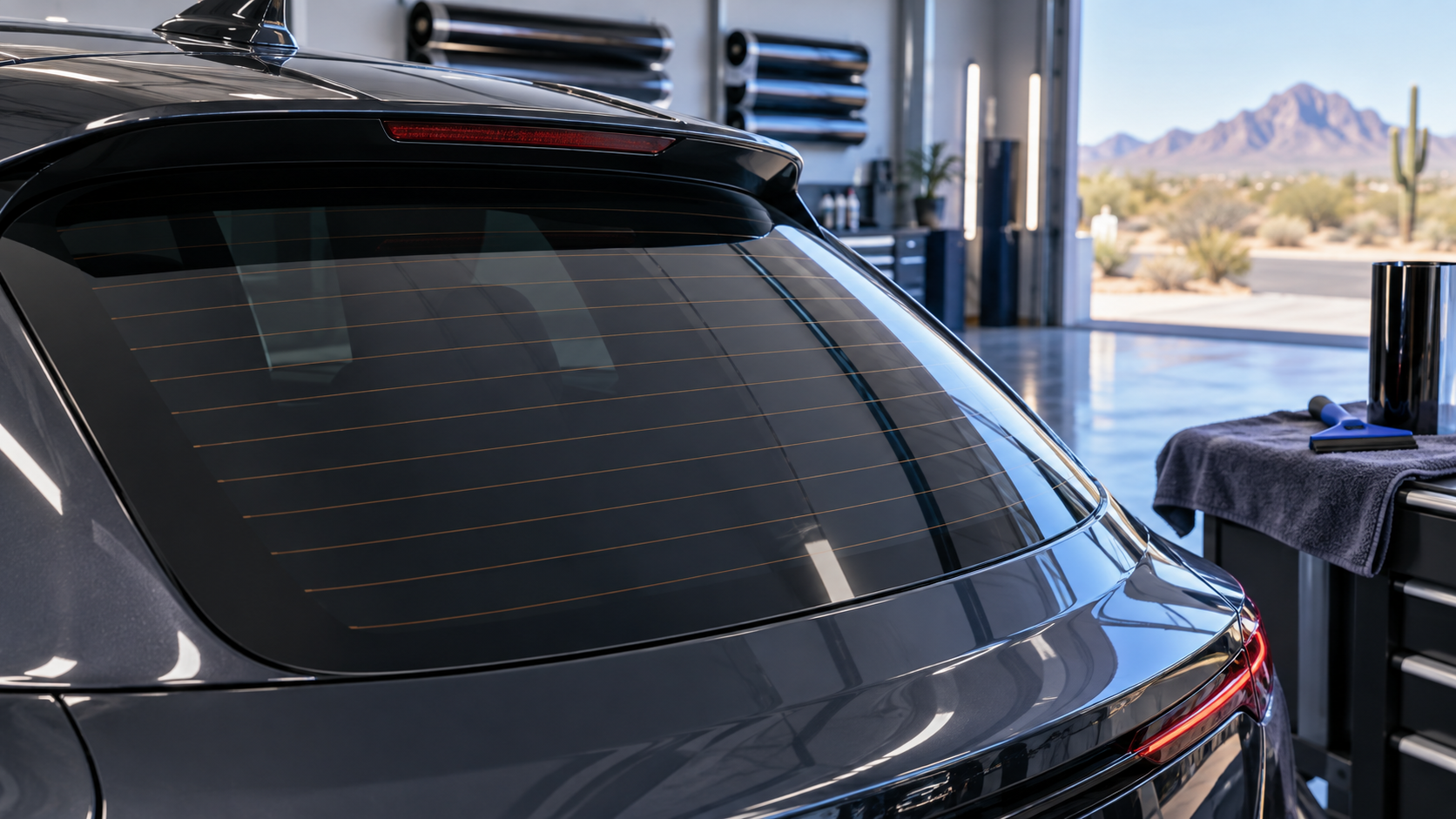
Those thin horizontal lines across your rear window are easy to overlook until the glass fogs up. Turn on the rear defroster, and the lines warm the glass in a matter of minutes, restoring the view behind you.
They also raise one of the most common questions drivers ask before scheduling window tint: Can you tint over rear defroster lines?
In most vehicles, yes. A heated rear window can usually be tinted safely. The film is installed over the defroster grid, and professional installation should not stop the system from working. What makes the job more technical is that the conductive lines sit directly on the interior surface where the tint is applied. They must be treated carefully during preparation, installation, and especially the removal of older film.
How Does a Heated Rear Window Work?
A rear-window defroster is an electrical heating system built into the back glass. The visible lines form a conductive grid connected to electrical terminals near the edges of the window. When the driver activates the system, current moves through the grid and produces gentle heat across the glass.
That heat helps clear condensation, fog, frost, or light ice so the driver can see through the rear window. Arizona may not have many frozen mornings, but rear defrosters are still useful when monsoon humidity, cool overnight temperatures, passengers, or air conditioning cause the glass to fog.
Each line is part of an electrical path. If one section is scratched through or broken, that portion may stop heating even while the rest of the grid continues to work.
Can Window Film Be Installed Over Defroster Lines?
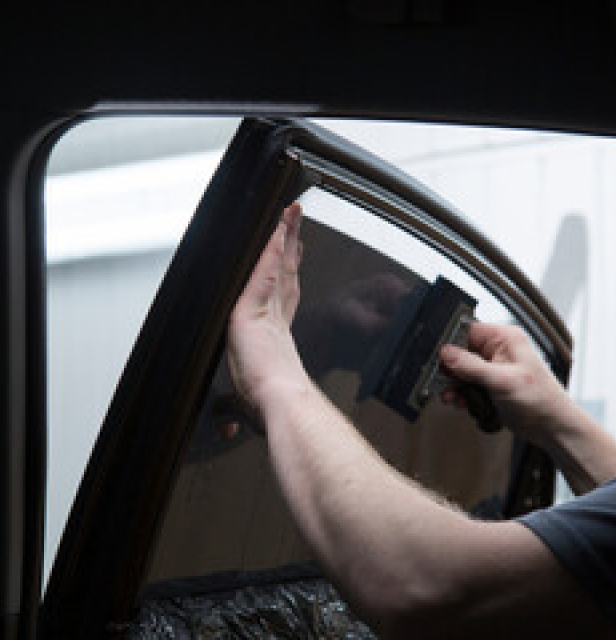
Yes, in most cases. Automotive window film is applied to the inside surface of the rear glass and lies over the defroster grid. Once installed correctly and allowed to cure, the film and defroster can coexist normally.
The presence of defroster lines does not automatically disqualify the glass from tinting. The condition of the glass, the grid, old film, integrated electronics, and the vehicle's design all matter. A professional installer should inspect those details before beginning.
Why Rear-Window Tinting Is More Technical
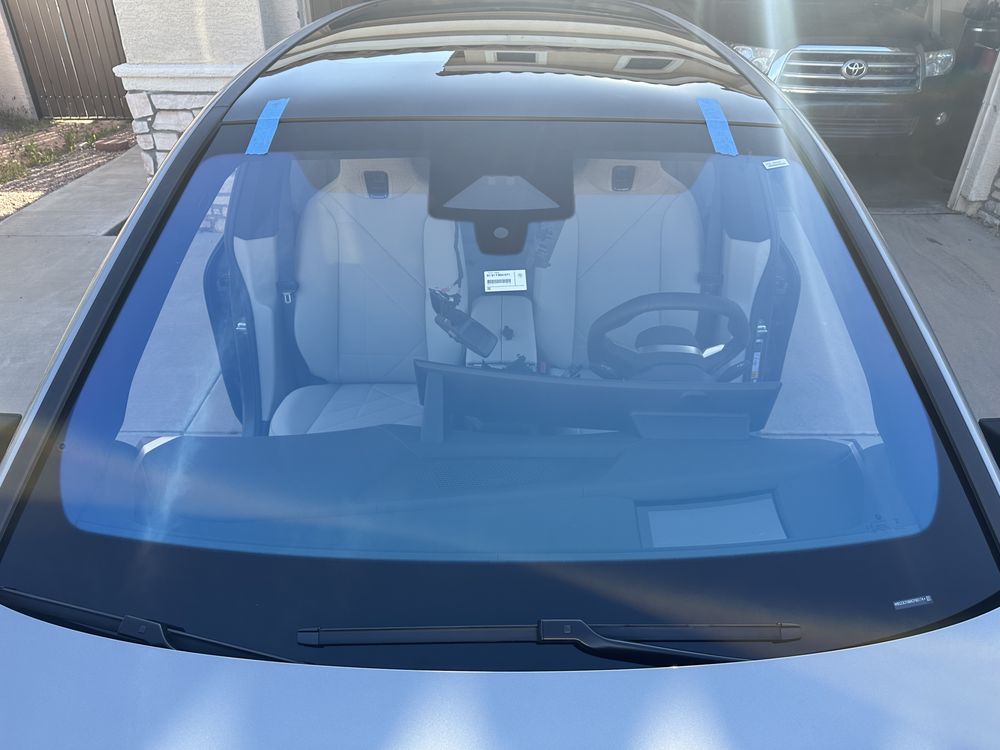
Rear glass often has stronger curvature than the side windows. A single sheet of film must be carefully shaped to follow that curve without creases, bubbles, lifted edges, or tension that affects the finished appearance.
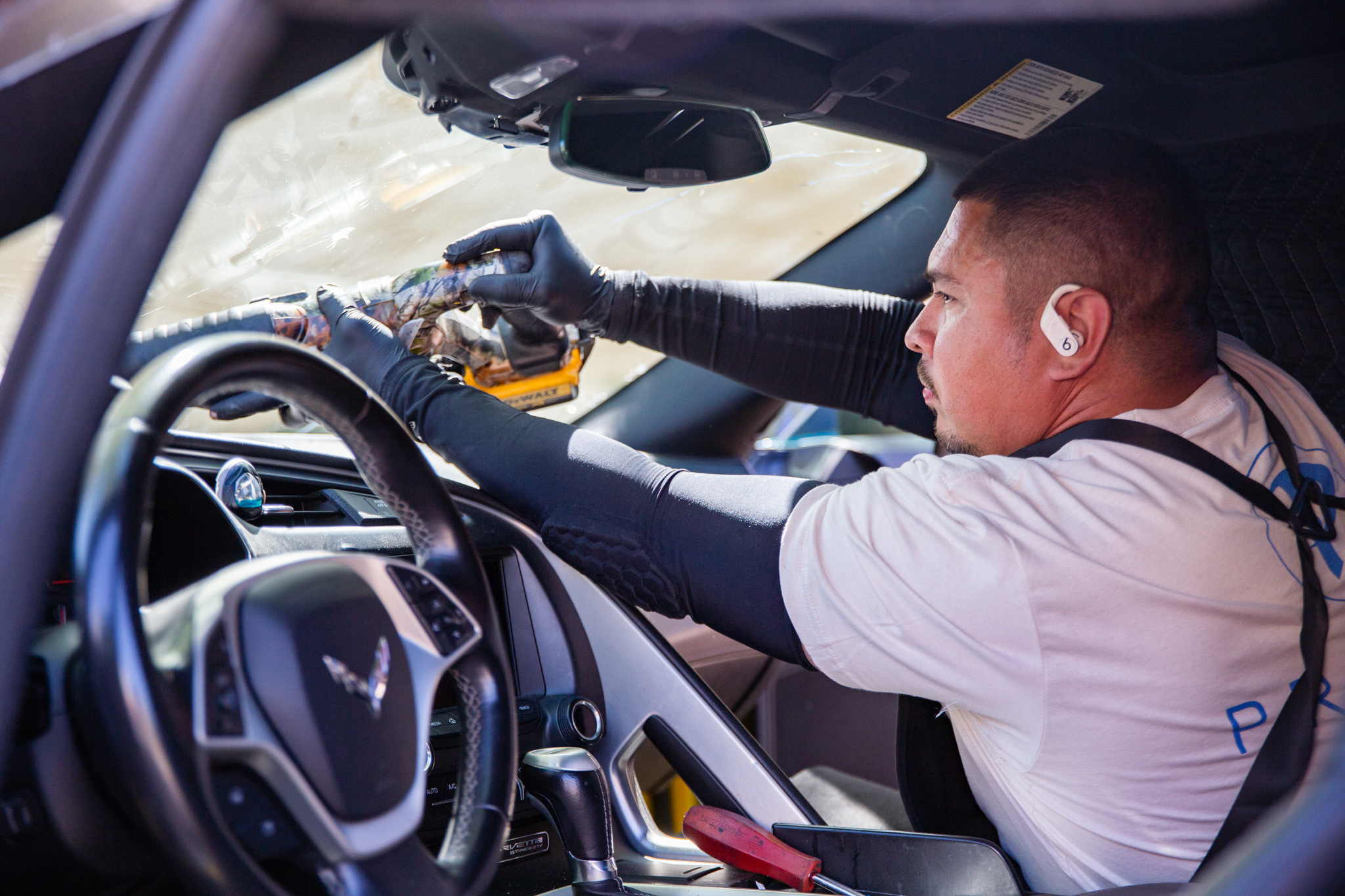
Installers typically use heat-forming techniques to shape the film for the glass before completing the interior installation. The process requires controlled heat and accurate handling.
Removing Old Tint Is Often the Riskiest Part
Installing new film over an intact defroster grid is usually straightforward for an experienced professional. Removing old, deteriorated film can require far more caution.
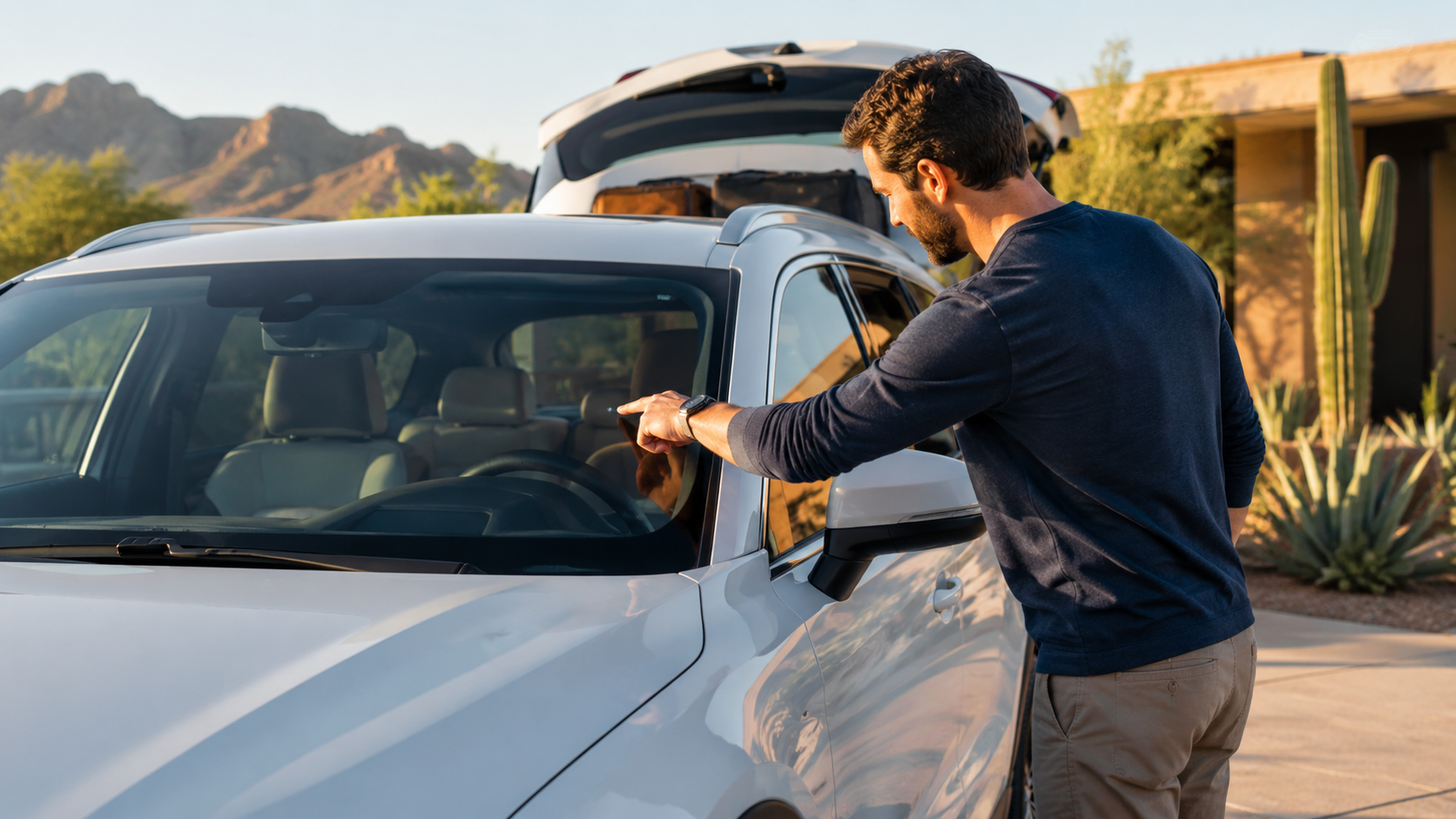
Film adhesive may have bonded tightly to the glass and around the raised grid lines. Pulling the film too aggressively, scraping directly across the grid, or using the wrong tools can scratch or break the conductive material. This is why peeling bubbling tint from a heated rear window is not an ideal do-it-yourself project.
The Rear Glass May Also Contain Antennas
Defroster lines may not be the only technology printed on the rear window. Some vehicles integrate radio or other antenna elements into the back glass. These grids can look similar, and connectors may be positioned near the defroster terminals, making inspection and careful handling even more important.
Will Tint Make the Rear Defroster Less Effective?
Properly installed automotive window film should not prevent an intact rear defroster from doing its job. The system warms the glass and the thin film applied to it. Drivers may still see the same gradual clearing pattern as the grid heats the window.
Why Tint the Rear Window in Arizona?
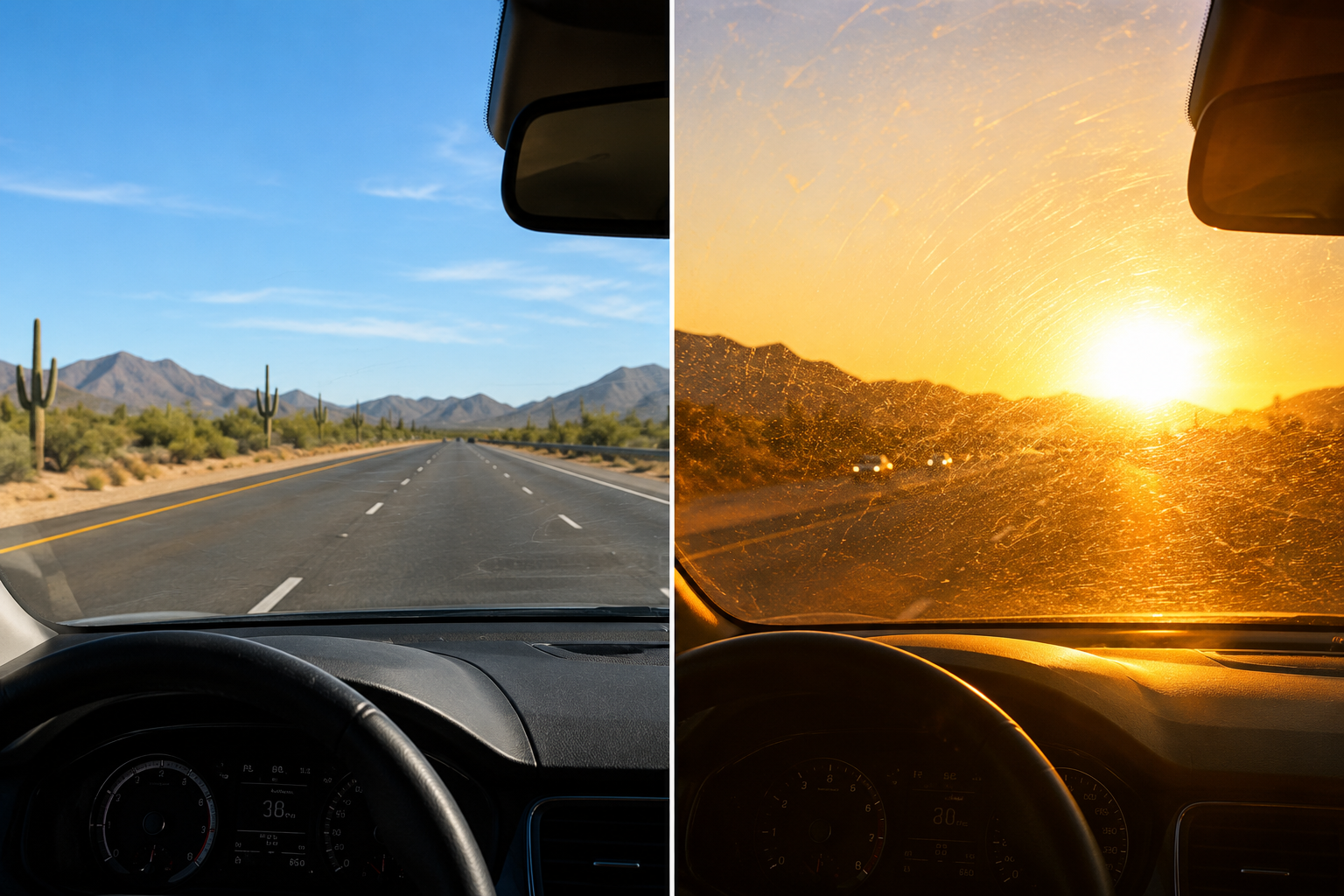
Rear glass can expose a large portion of the cabin to Arizona sunlight. Depending on the vehicle's design, passengers, upholstery, cargo, electronics, and interior surfaces may receive hours of direct heat and ultraviolet exposure.
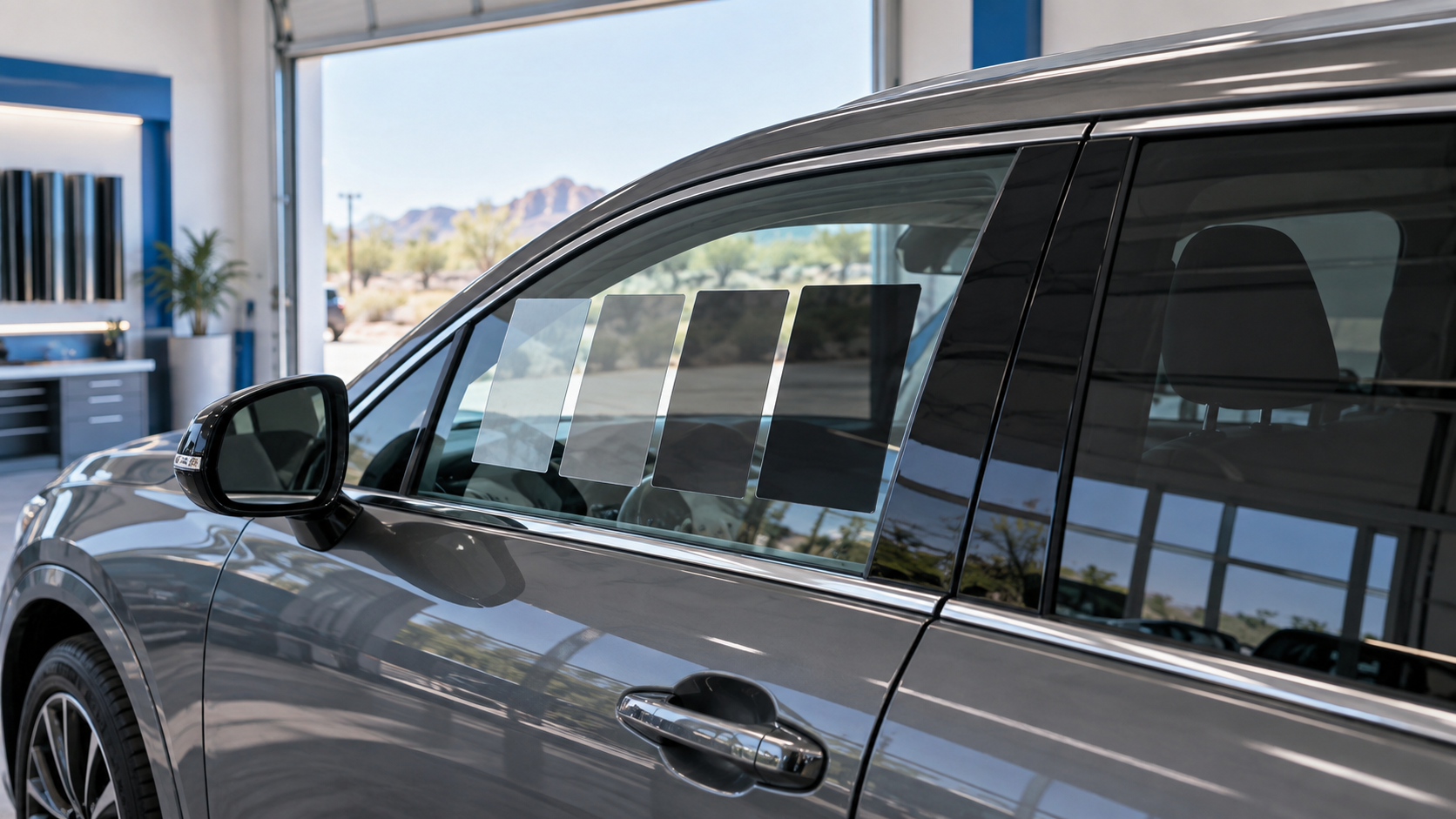
Quality ceramic film can provide strong infrared heat rejection without relying only on an extremely dark appearance. The best film and shade depend on the vehicle, existing privacy glass, nighttime visibility, and how the driver uses the car.
Professional Tinting Protects More Than the Appearance
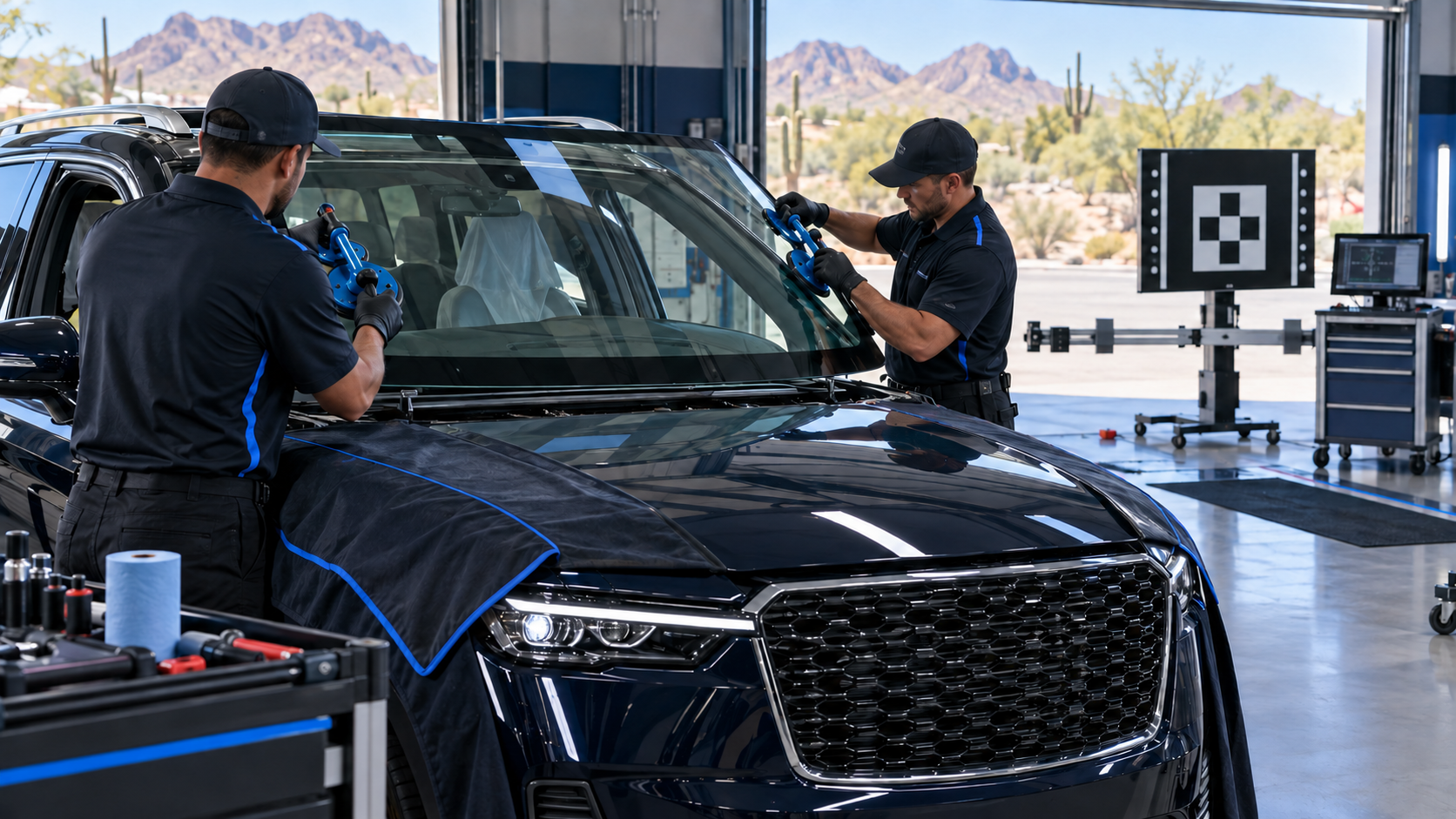
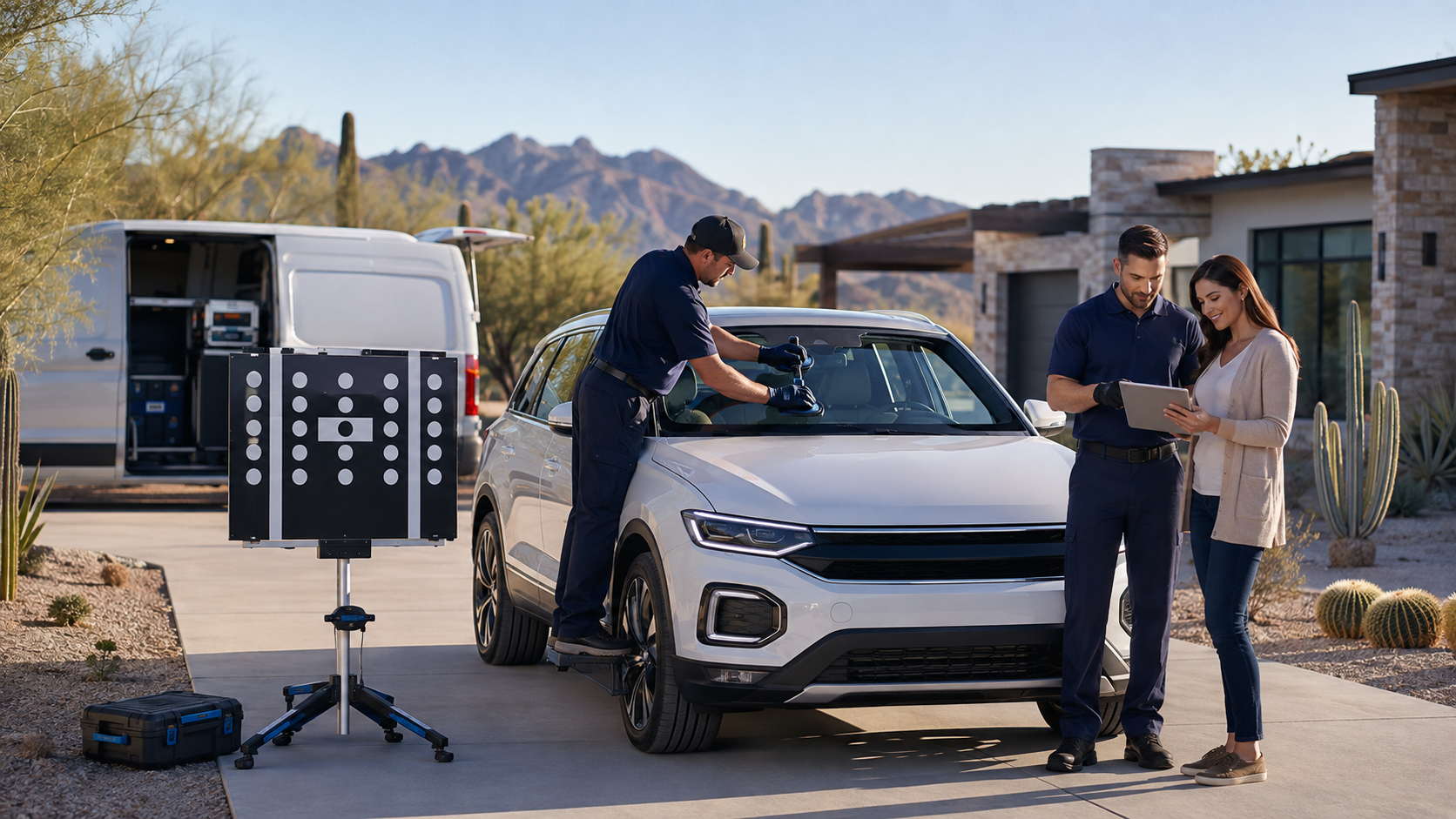
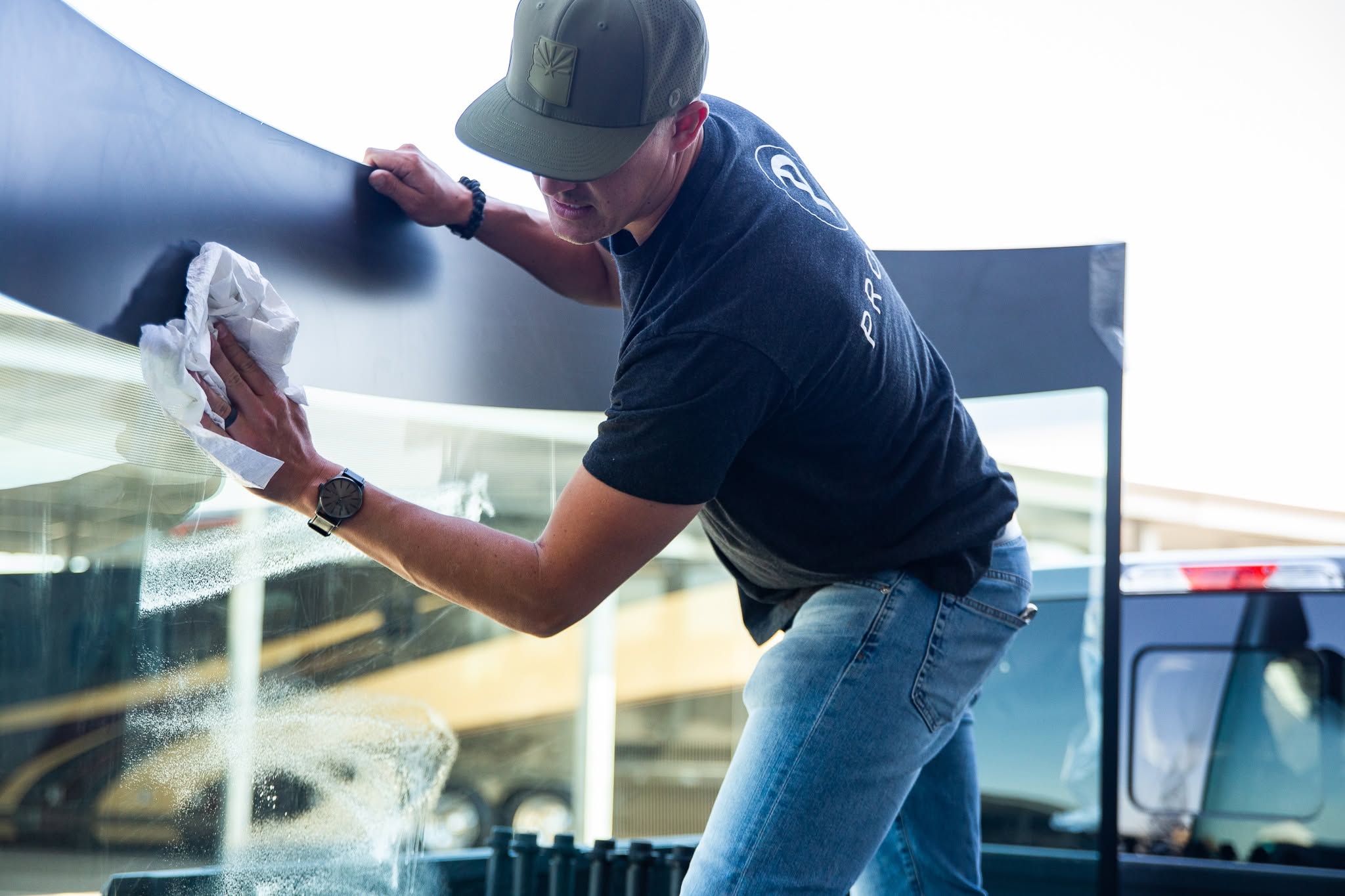
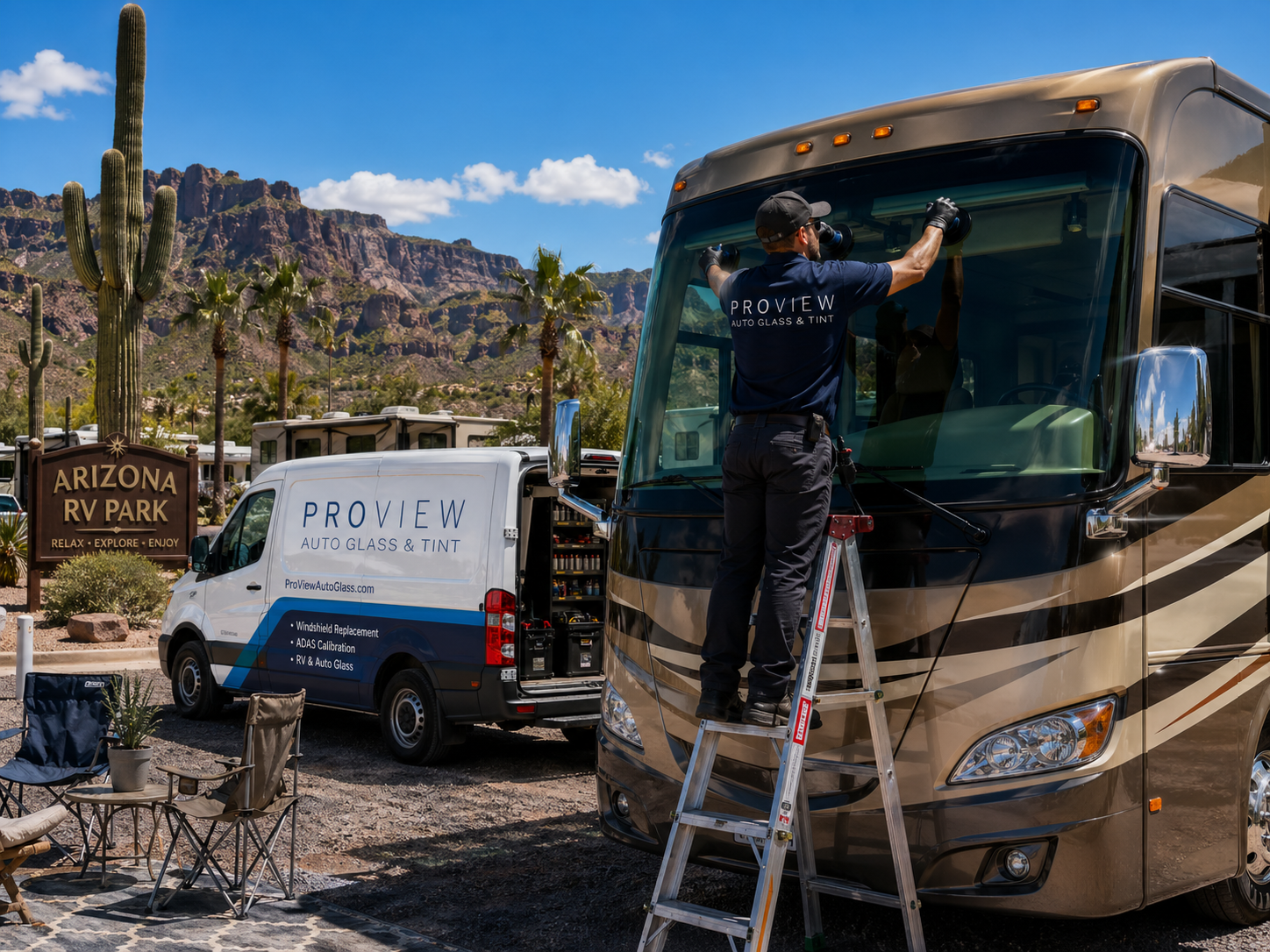
At ProView Auto Glass & Tint, we help Arizona drivers understand what their vehicle needs before installation begins. If your rear window has a defroster, old film, factory privacy glass, or another feature you are unsure about, our team can inspect it and discuss the safest path forward.
The goal is not simply darker glass. It is a clean, durable installation that respects the technology already built into your vehicle.
Frequently Asked Questions
Can a rear window with defroster lines be tinted?
Usually, yes. Automotive film can generally be installed over an intact rear defroster grid without preventing it from functioning.
Can removing old tint damage the defroster?
Yes. Aggressive pulling, scraping, or improper adhesive removal can scratch or break conductive grid lines. Professional assessment and careful removal are strongly recommended.