What Is Legal Window Tint in Arizona? (2026 Guide for Drivers)

If you’ve ever sat at a red light in the middle of an Arizona summer and wondered, “Can I go darker than this?”… you’re not alone.
We hear it all the time from drivers across Scottsdale and Phoenix:
- “What’s actually legal?”
- “How dark is too dark?”
- “Am I going to get pulled over for this?”
And honestly, it’s a fair question.
Arizona window tint laws aren’t overly complicated—but they are specific. So let’s walk through it in a way that actually makes sense.
Why Window Tint Laws Exist in Arizona
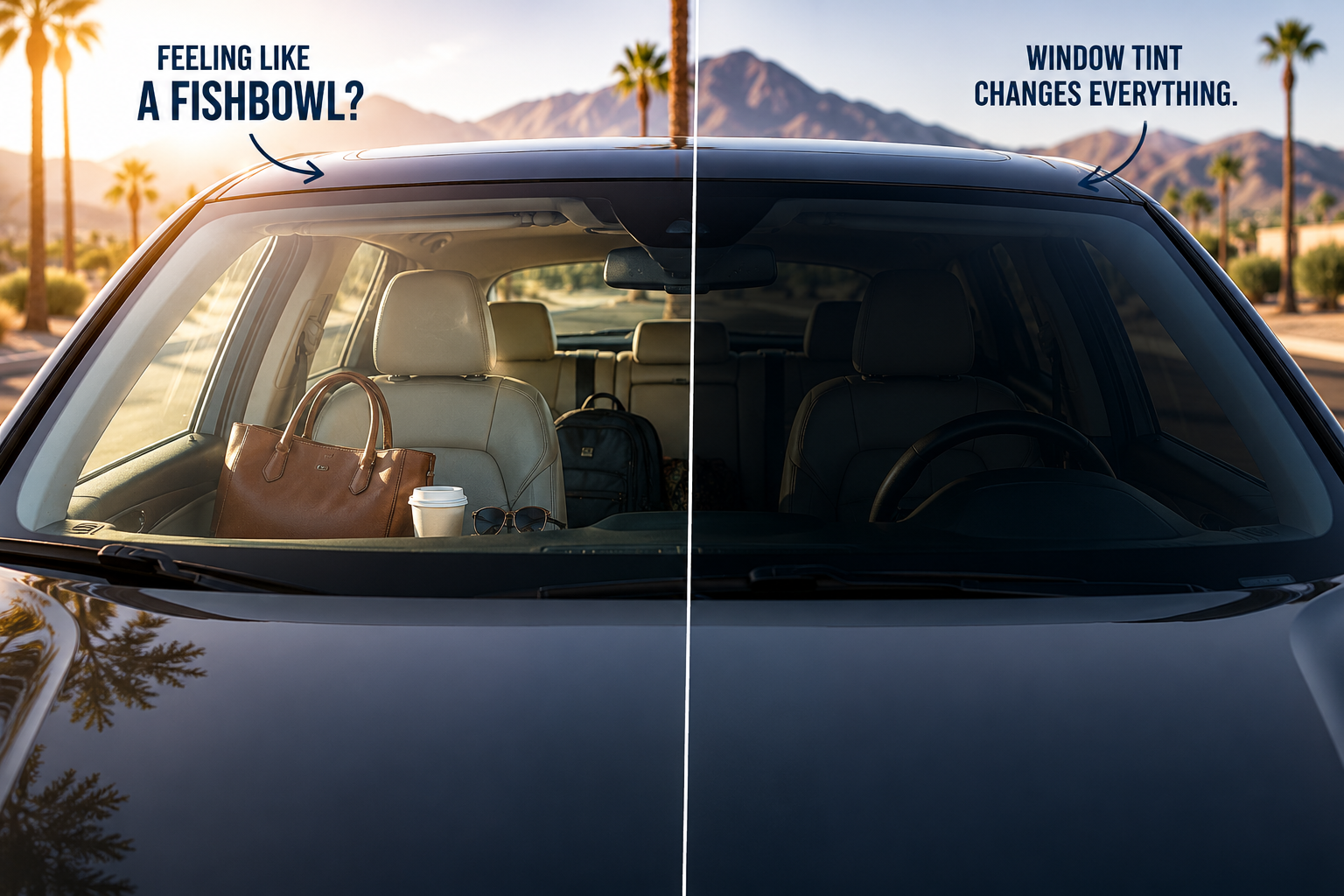
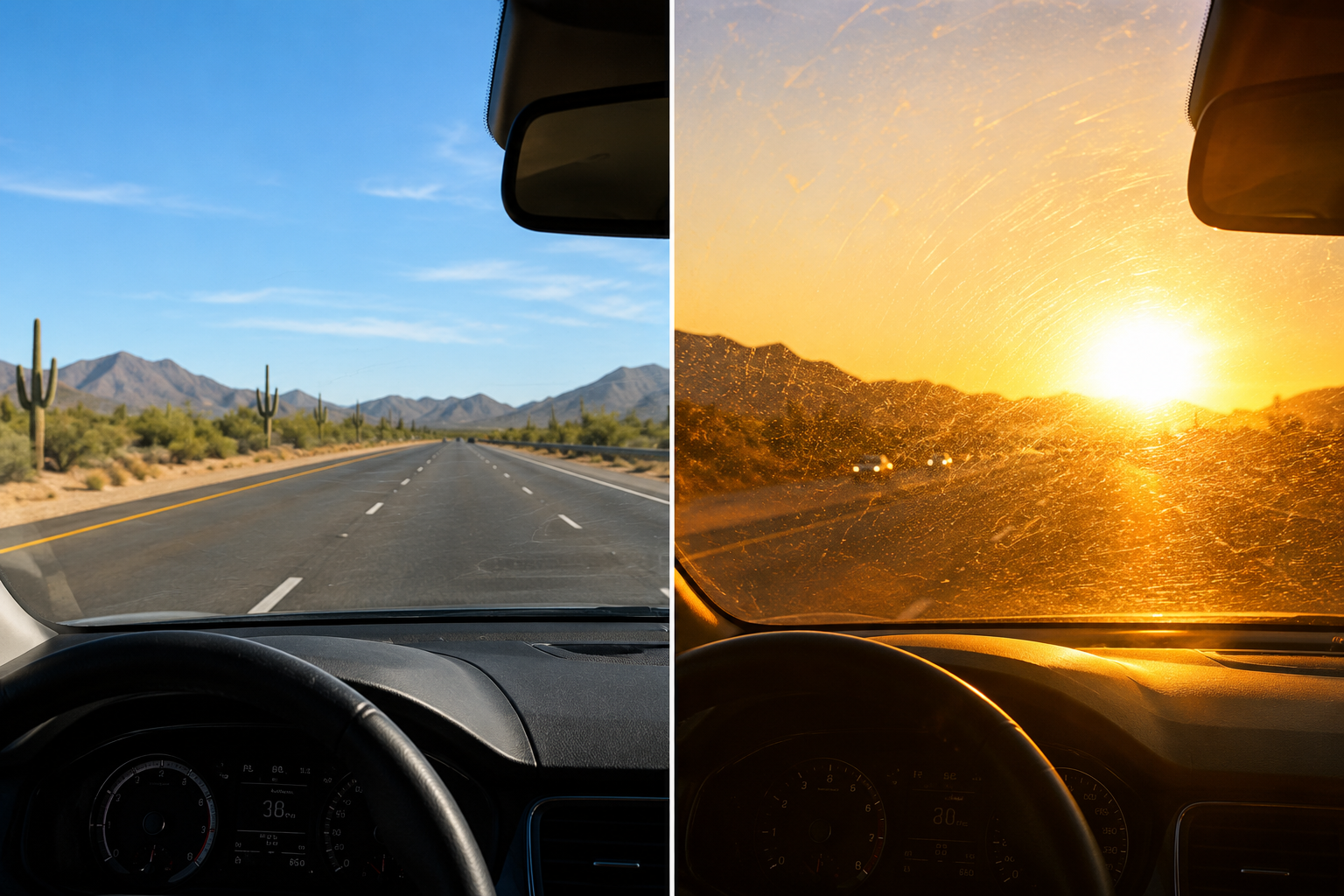
With how intense the sun is here, window tint isn’t just about looks—it’s about comfort, safety, and protecting your vehicle.
But there has to be a balance.
Arizona law is designed to:
- Reduce heat and glare for drivers
- Maintain visibility for safety
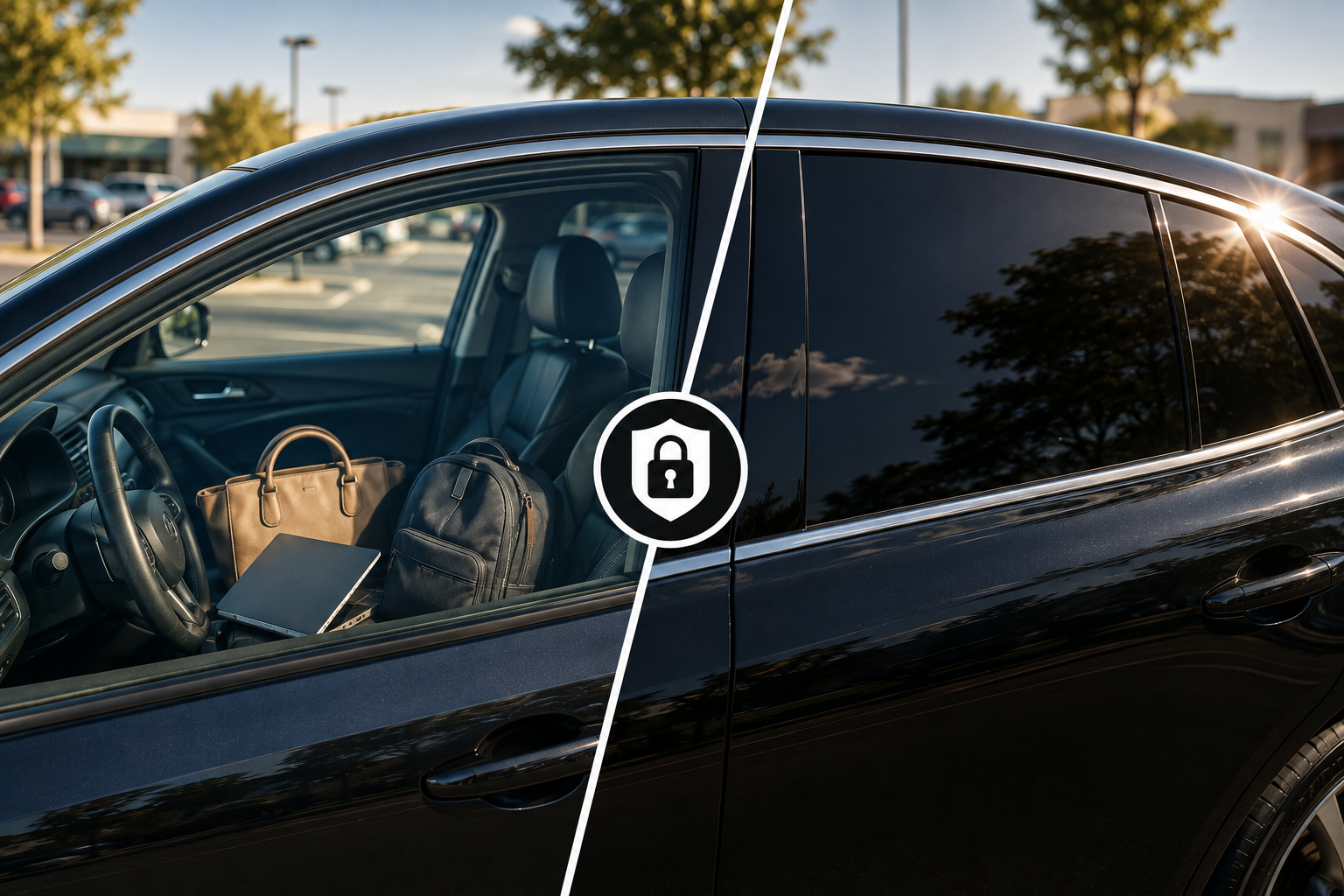
- Allow law enforcement to see into vehicles when needed
So while tint is absolutely encouraged here… there are limits.
What Is Legal Window Tint in Arizona?
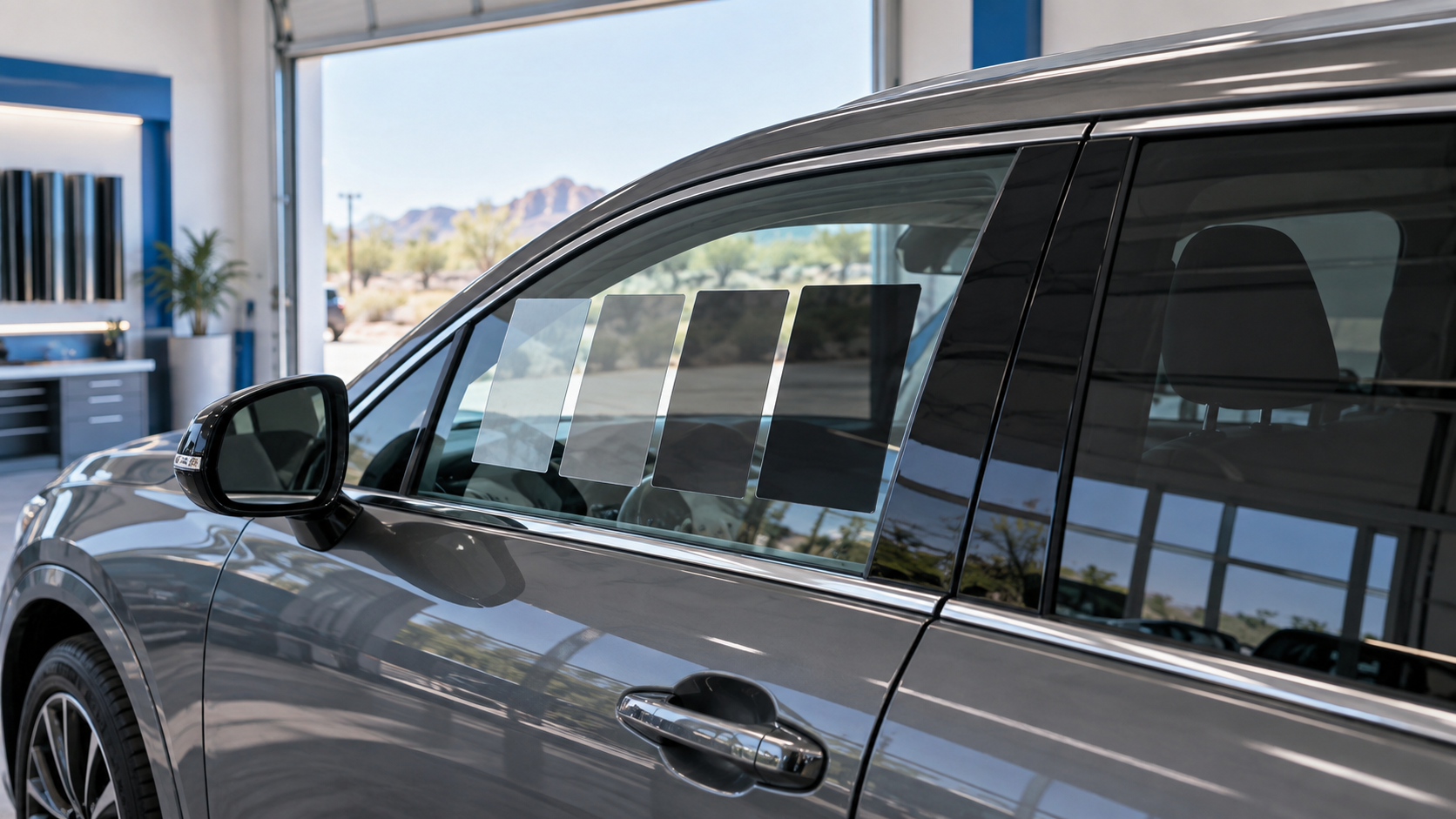
Arizona measures tint using something called Visible Light Transmission (VLT)—which is just a way of describing how much light can pass through your windows.
Here’s a simple breakdown:
- Front side windows: Must allow more than 33% of light in
- Back side windows: Can be darker, with more flexibility
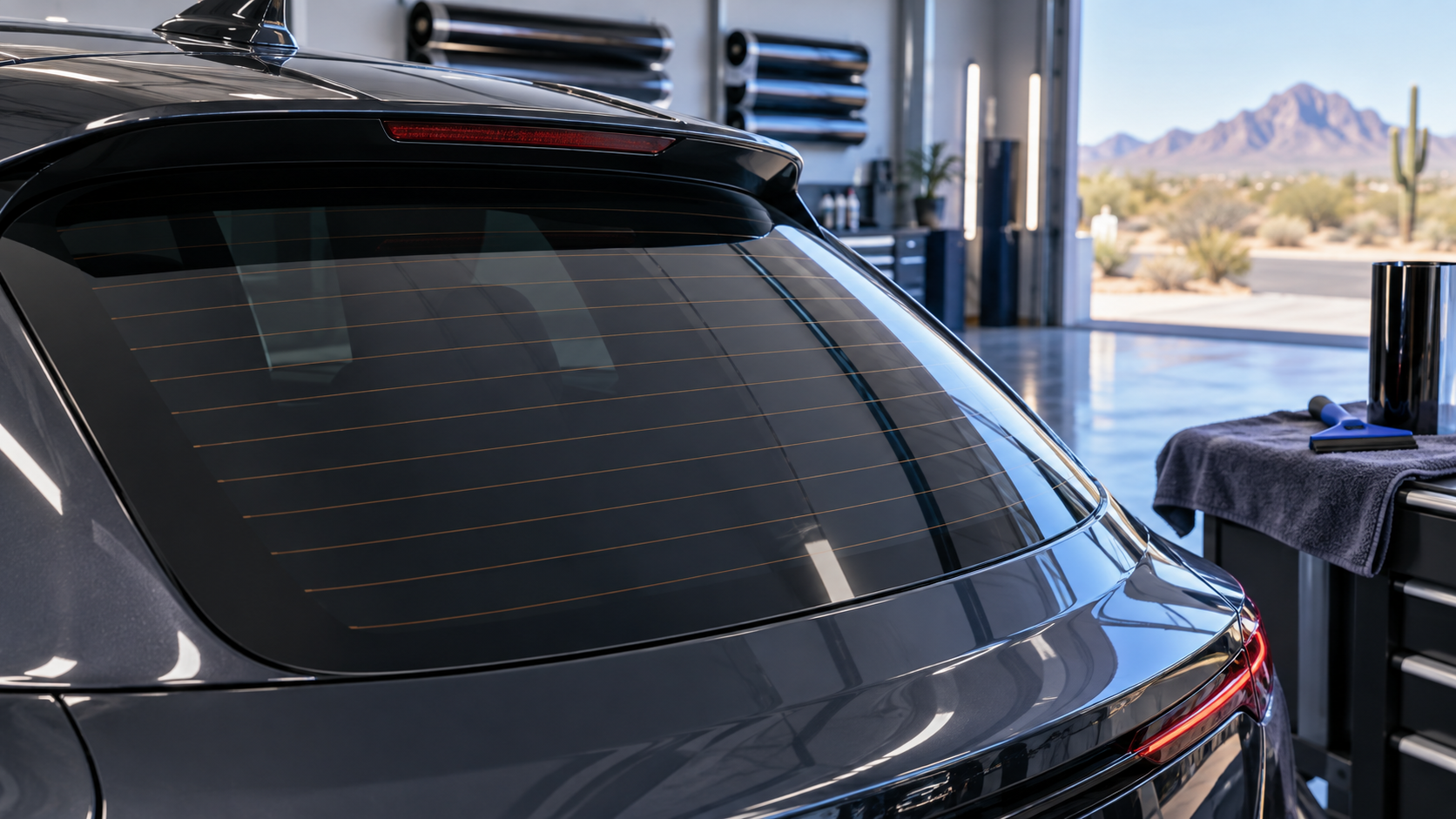
- Rear window: Can be darker with proper side mirrors
- Windshield: Non-reflective tint allowed above the AS-1 line
If you stay within these ranges, you’re considered street legal in Arizona.
How Dark Is Too Dark?
This is where most people get tripped up.
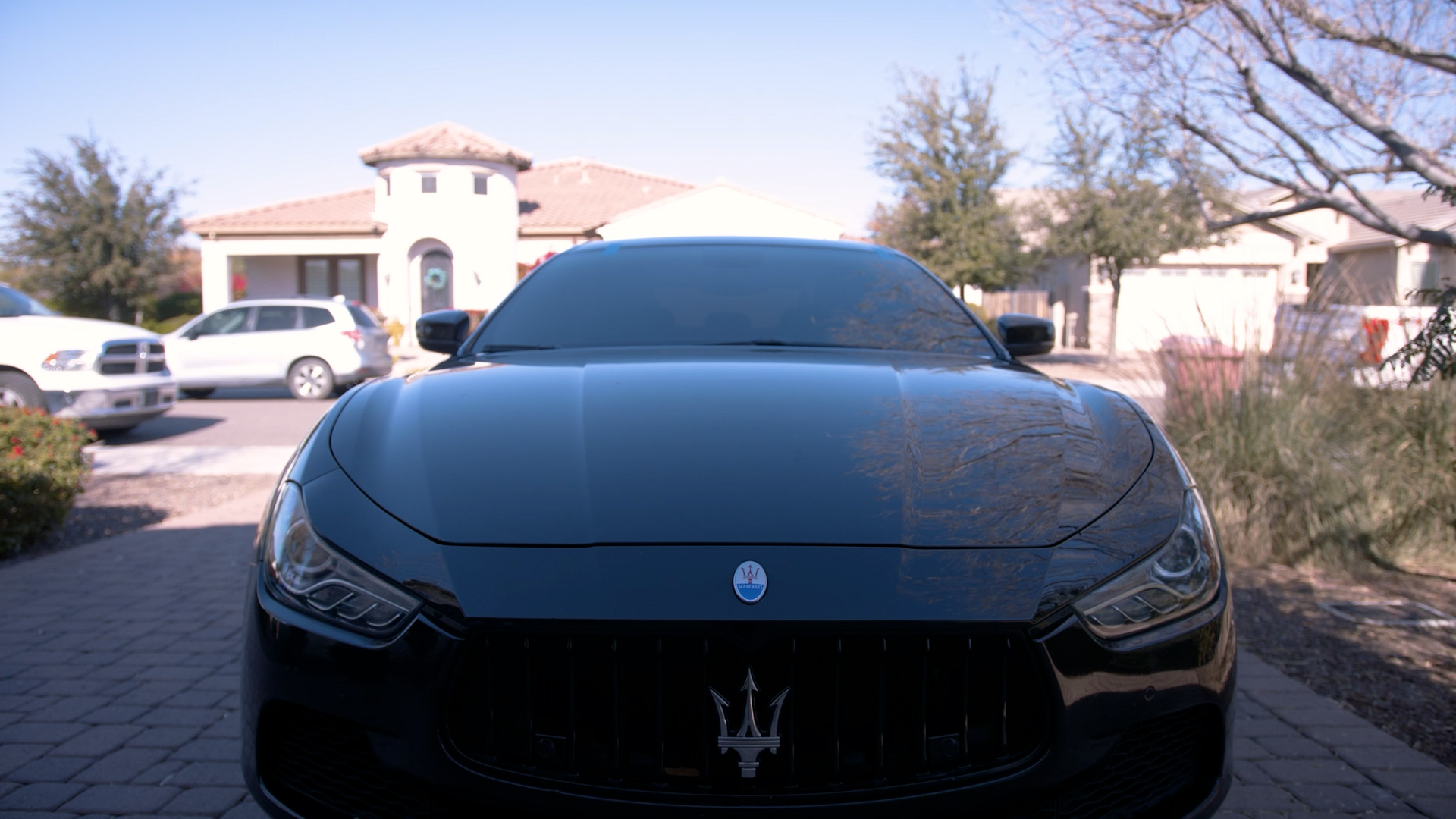
A lot of vehicles already come with factory tint, and when you add aftermarket film on top of that, it can easily push you past legal limits—especially on the front windows.
If your tint is too dark, you could:
- Get pulled over
- Be issued a fix-it ticket
- Be required to remove or adjust the tint
And the tricky part? It’s not always obvious just by looking.
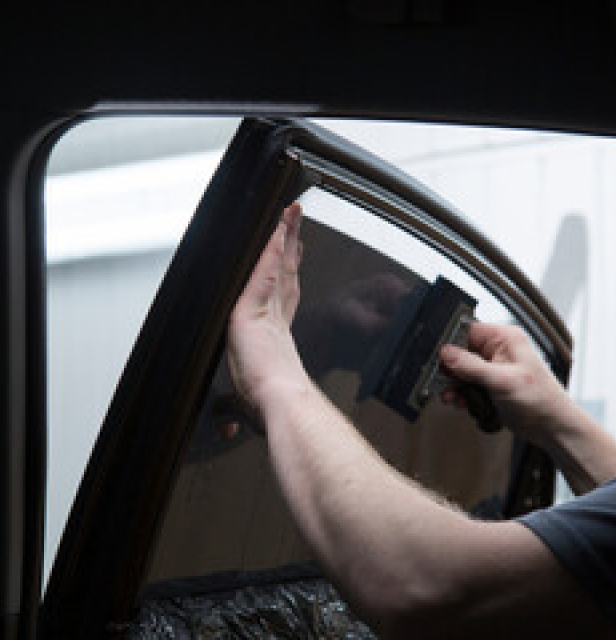
Ceramic Tint and Staying Legal
There’s a common misconception that ceramic tint is “darker” or more likely to be illegal—but that’s not actually true.
Ceramic tint is designed to:
- Block heat more effectively
- Reduce glare
- Protect your interior
👉 without needing to go darker than legal limits
That’s why so many Arizona drivers choose ceramic tint—it gives you performance without pushing into risky territory.
Does It Matter Where You Live in Arizona?
The law itself is statewide, so whether you’re in Scottsdale, Phoenix, or anywhere in the East Valley, the legal limits are the same.
That said, enforcement can vary a bit depending on the area and the situation.
Either way, staying within legal guidelines is the best way to avoid headaches down the road.
What Most Drivers Don’t Realize
Here’s the part that surprises people:
You don’t need extremely dark tint to make a noticeable difference.
The right film—installed correctly—can significantly reduce heat and improve comfort without ever crossing into illegal territory.
Final Thoughts
Arizona heat isn’t going anywhere. And window tint is one of the smartest ways to make driving here more comfortable.
But doing it the right way—within legal limits—means you get the benefits without the hassle.
Questions About Your Tint?
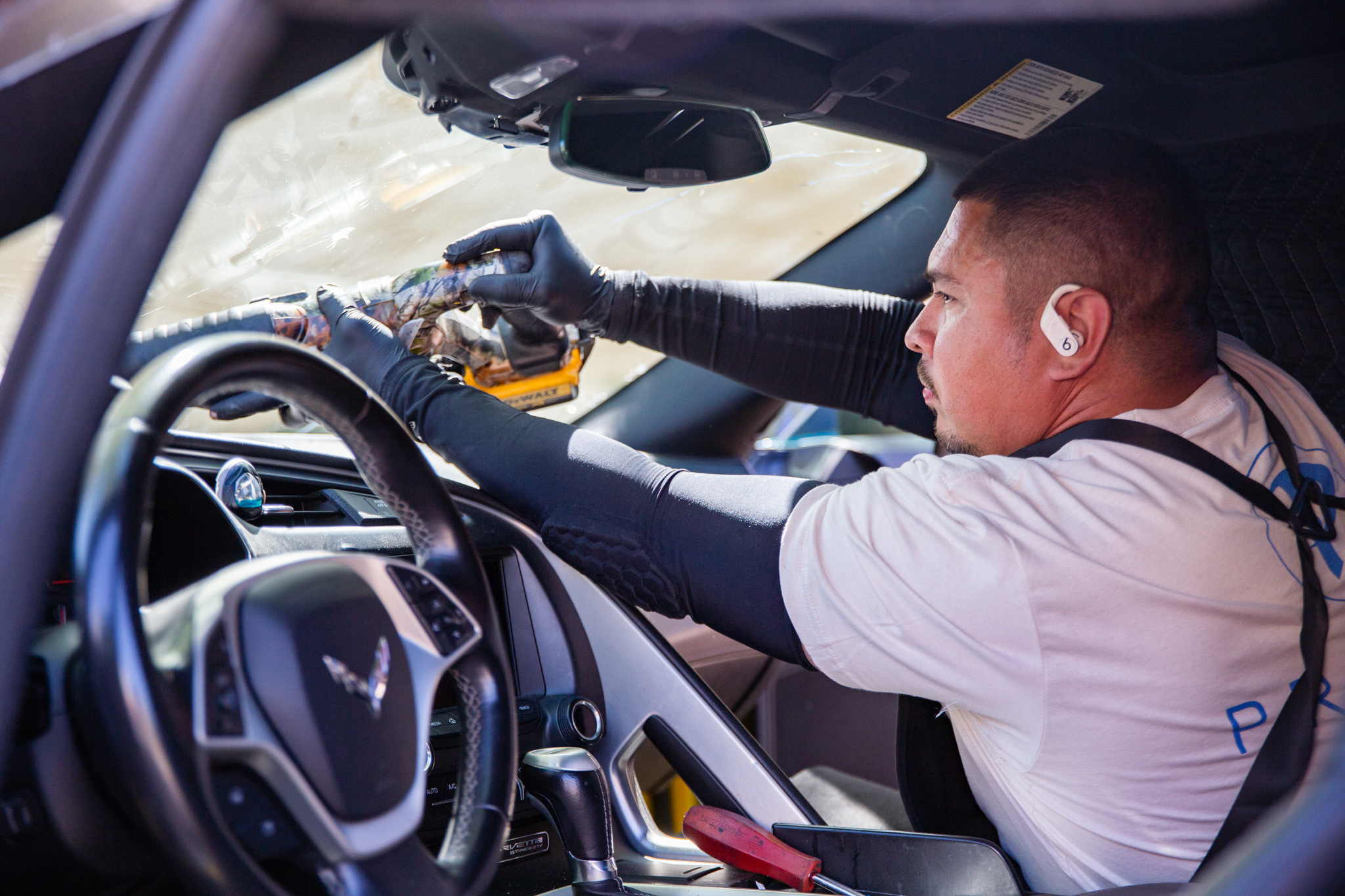
At ProView Auto Glass & Tint, we help drivers across Scottsdale and the East Valley find the right balance between performance, comfort, and staying compliant with Arizona law.
If you’re not sure where your current tint stands—or you’re thinking about upgrading—stop by or give us a call. We’re always happy to take a look and point you in the right direction.