If you’ve lived in Arizona for any length of time, there’s a good chance you’ve heard it before:
“I was just driving on the freeway when a rock hit my windshield.”
At ProView Auto Glass & Tint, we hear that story almost daily — and honestly, certain Arizona freeways seem especially brutal on windshields.
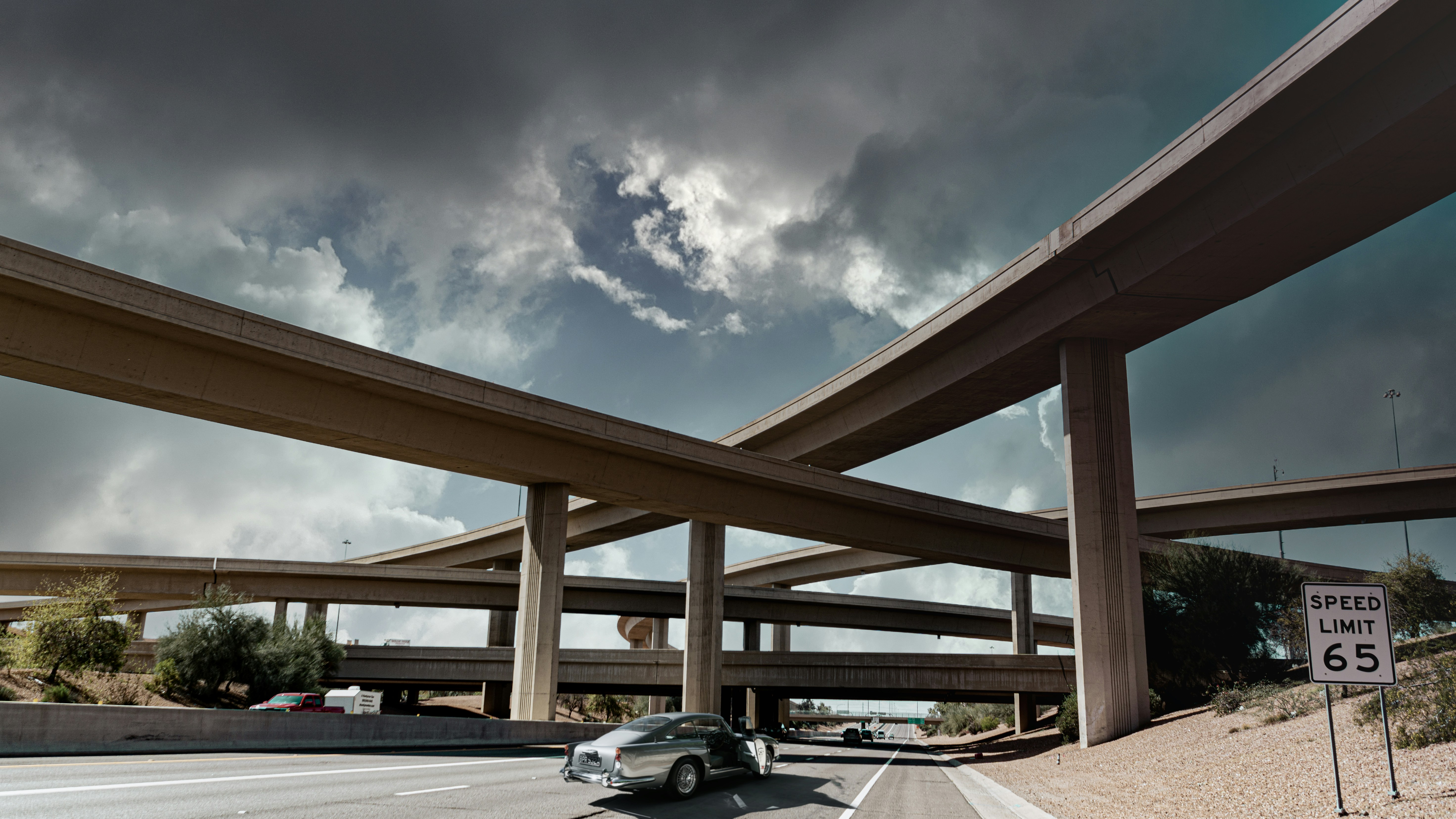
Between nonstop construction, heavy commuter traffic, gravel trucks, desert debris, and extreme heat, Arizona drivers deal with some of the toughest windshield conditions in the country.
Why Arizona Is So Hard on Windshields
Arizona creates the perfect storm for windshield damage.
The Valley’s rapid growth means freeway expansion projects are constantly underway. Loose gravel, construction debris, uneven pavement, and heavy truck traffic all increase the chances of rocks being launched into traffic.
On top of that, Arizona heat can quickly turn a tiny chip into a large crack. A small impact that might stay stable in cooler climates can spread surprisingly fast during a 110-degree Arizona summer.
Loop 101: One of the Biggest Offenders
Drivers throughout Scottsdale, North Phoenix, and the West Valley regularly report windshield damage along Loop 101.
The combination of heavy commuter traffic, ongoing construction zones, high-speed driving, and large trucks and commercial vehicles creates ideal conditions for flying debris.
The Scottsdale section of the 101 is particularly busy during rush hour, and drivers often experience rock chips while traveling near construction barriers or behind trucks carrying gravel and landscaping materials.
US-60 Through the East Valley
Anyone commuting through Mesa, Gilbert, or Apache Junction knows how busy the US-60 can get.
With constant stop-and-go traffic, ongoing road work, and large amounts of daily commuter traffic, windshield damage is incredibly common along this corridor.
Drivers frequently experience small rock chips during rush hour, cracks spreading after freeway driving, and multiple impacts over time from loose debris.
Loop 202 Expansion Areas
The Loop 202 has become another major source of windshield damage complaints, especially in rapidly developing areas around Chandler, Mesa, and the Southeast Valley.
New construction, lane expansions, and increased commercial traffic have created conditions where loose gravel and roadway debris are difficult to avoid.
I-10 & I-17 Construction Corridors
Interstate driving around Phoenix presents its own challenges.
I-10 and I-17 both see heavy commercial truck traffic, which increases the likelihood of rocks and debris being kicked up into surrounding lanes. Drivers traveling between Phoenix, Northern Arizona, and the West Valley often experience large rock impacts, multiple windshield chips, and sudden crack spreading during long-distance driving.
Why Small Chips Spread So Quickly in Arizona
Many drivers are surprised by how quickly windshield damage spreads in the desert.
Arizona heat creates constant expansion and contraction within the glass. Once a windshield already has a weak point, even minor temperature changes can cause cracks to grow rapidly.
Something as simple as parking in direct sunlight, running the A/C at full blast, driving over rough pavement, or hitting a pothole or speed bump can cause existing damage to spread further.
That’s why it’s always smart to address chips early before they become larger replacement issues.
Luxury Vehicles & ADAS Systems Add Another Layer
Modern vehicles make windshield replacement more complex than ever before.
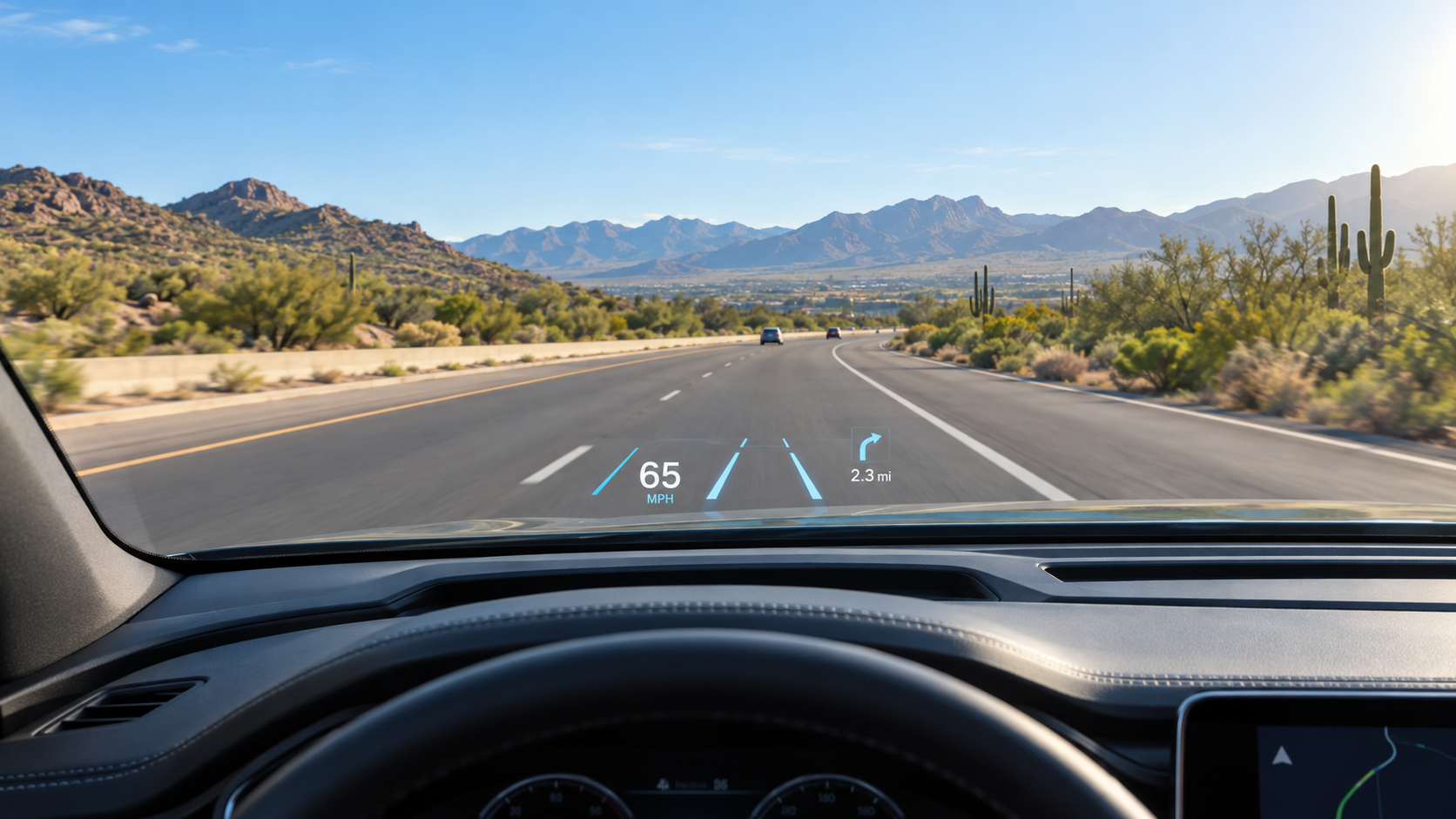
Many newer cars, trucks, and SUVs now include lane departure warning systems, forward collision cameras, adaptive cruise control, rain sensors, and heads-up displays. These systems are often connected directly to the windshield and may require recalibration after replacement.
At ProView Auto Glass & Tint, we work with modern vehicles every day, including Teslas, luxury SUVs, trucks, and high-end European vehicles commonly driven throughout Scottsdale, Gilbert, and Phoenix.
How Arizona Drivers Can Protect Their Windshields
While rock chips can’t always be avoided, drivers can reduce risk by:
- Avoiding tailgating large trucks
- Leaving extra space in construction zones
- Repairing small chips quickly
- Parking in covered areas when possible
- Avoiding sudden temperature shock to damaged glass
The earlier damage is addressed, the better the chance of preventing larger cracks.
Windshield Repair & Replacement in Arizona
At ProView Auto Glass & Tint, we help Arizona drivers repair and replace damaged windshields throughout the Valley.
Whether your windshield was damaged on the Loop 101, the US-60, the 202, or during your daily commute across Phoenix, our team can help you get back on the road safely.
Because in Arizona, windshield damage isn’t really a matter of “if” — it’s usually a matter of “when.”
Frequently Asked Questions
Which Arizona freeway causes the most windshield damage?
Many drivers report frequent windshield damage along Loop 101, US-60, Loop 202, I-10, and I-17 due to construction zones, heavy traffic, and road debris.
Can Arizona heat make windshield cracks worse?
Yes. Extreme heat can cause small chips and cracks to spread rapidly due to glass expansion and temperature stress.
Should I repair a small windshield chip right away?
Yes. Repairing chips early can help prevent larger cracks and may reduce the need for full windshield replacement.
Do modern vehicles require windshield recalibration?
Many newer vehicles with driver assistance systems require recalibration after windshield replacement to ensure safety systems function properly.
Does ProView Auto Glass & Tint offer mobile windshield replacement?
Yes. ProView offers mobile auto glass services throughout many areas of the Phoenix metro area.